
3D printing
Printers, processes, materials and the products they make.
[SERVICES]Patents
Registered patent attorneys with engineering backgrounds and one flat fee for each step. Start with the search to know it’s patentable before you file, or get your money back.
Registered patent attorneys
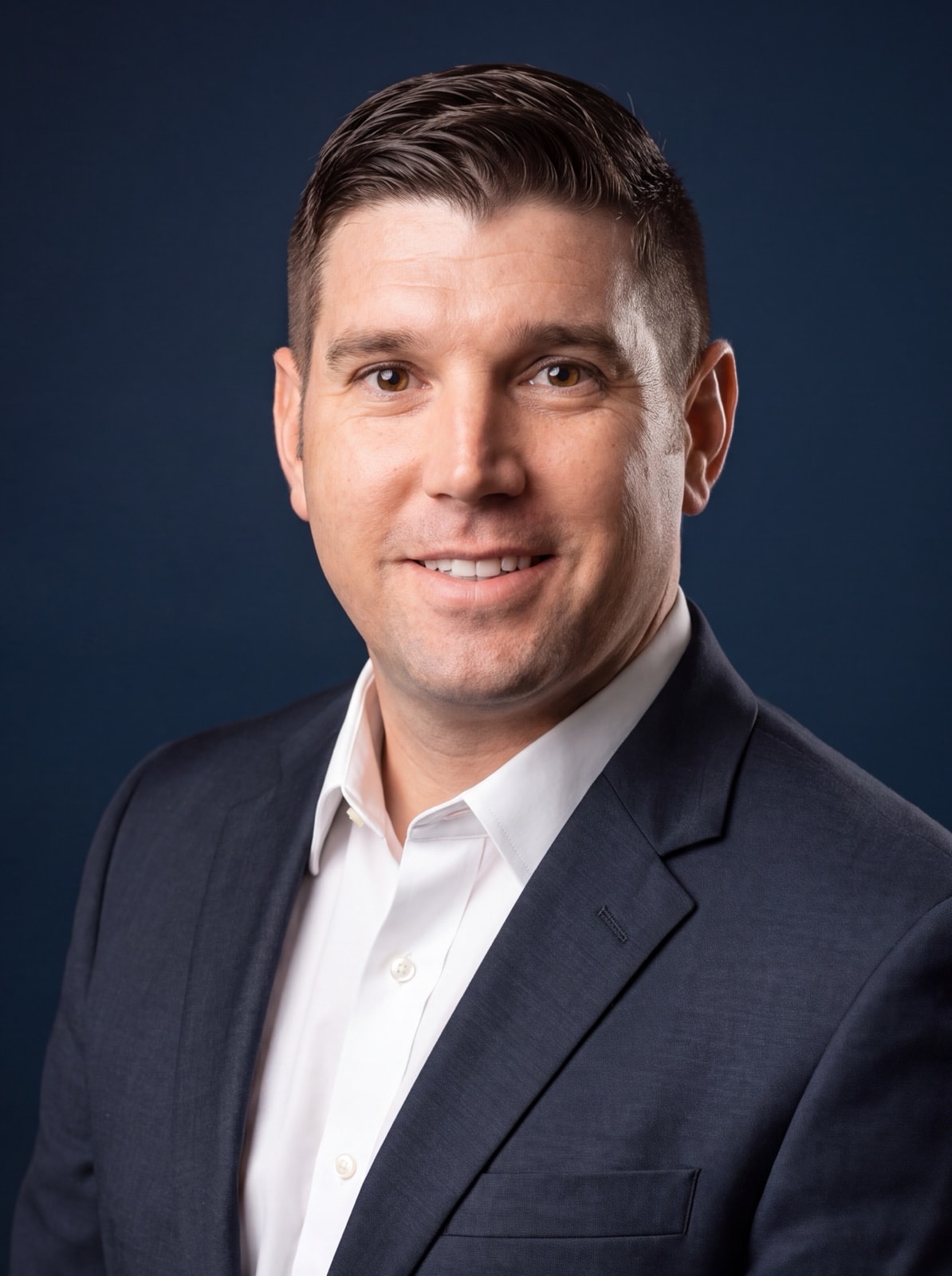 Andrew RapackeFormer Naval Engineering Officer. M.S. in electrical and electronics engineering.
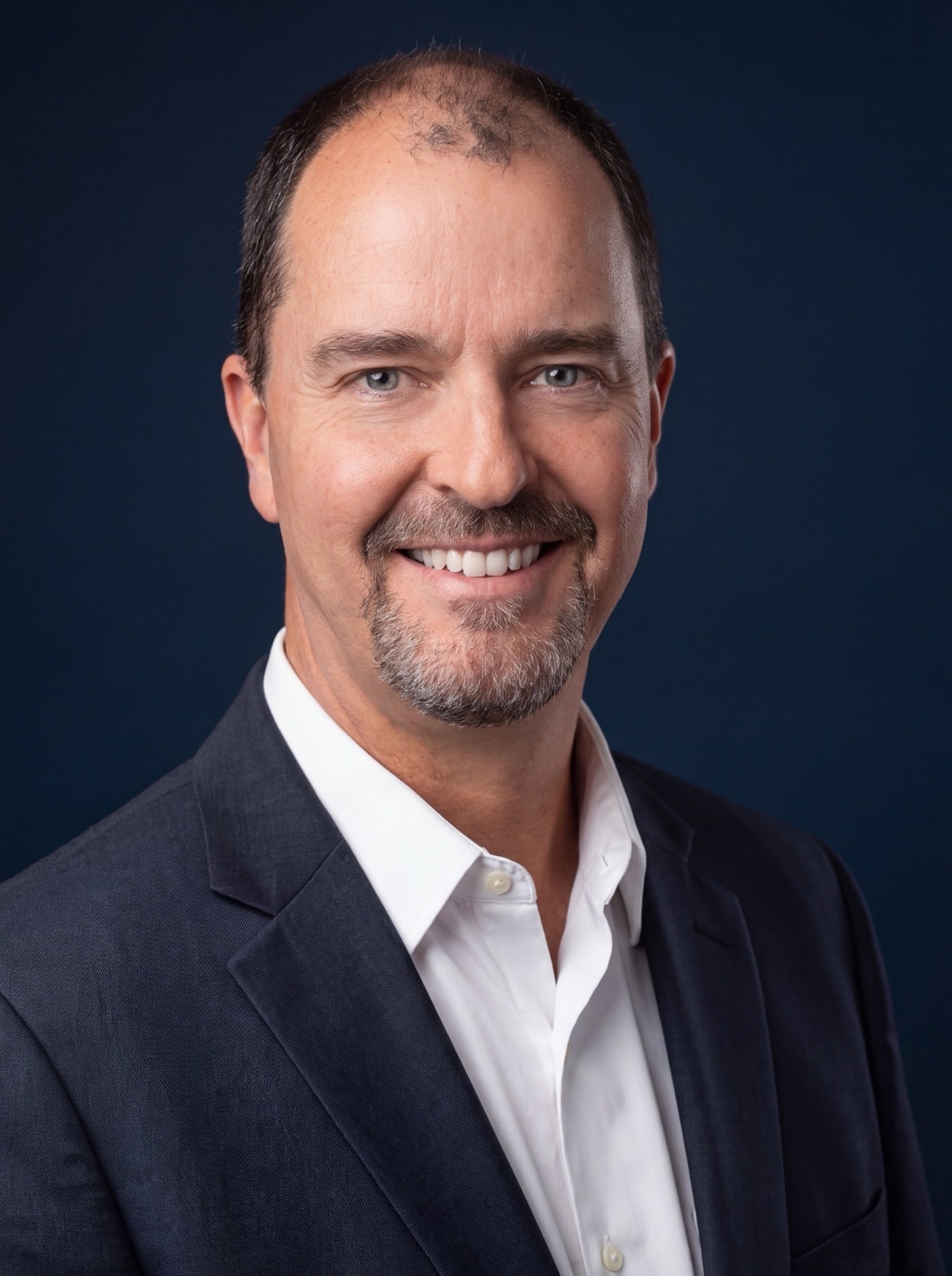 Chris WattSoftware, AI and machine learning, and MedTech. A full-stack software engineer.
 Ken BrooksMaterials science and engineering. Patents in software, AI, and electrical and mechanical systems.
[01]11 services
Pick what you are protecting to see what is patentable, how the filing works and how long it takes. The covered services carry The RLG Guarantee.
Know it’s patentable before you file
Not patentable, full refund*Protect how an invention works
Protect how a product looks
USPTO denies it, full refund*Patent pending while you build
Patentability issues, full refund*Mobile apps and software platforms
Cloud and subscription software
Models, training and AI products
Devices, diagnostics and MedTech
Protect an invention abroad
Answer a USPTO rejection
Challenge or defend an issued patent
*Refunds subject to the RLG Guarantee Policy in your engagement letter.
[02]Intelligent IP Quiz
Most inventors are not, and that is fine. Answer a few questions and the Intelligent IP Quiz points you to the right start, with the flat fee for each.
[03]By industry
Our patent attorneys come from engineering and science. Pick your industry to see what we protect there and how we time the filings.
Printers, processes, materials and the products they make.
Aircraft, drones and spacecraft, protected before the first public flight.
Models, training methods and the AI features inside your product.
Sensing, navigation and control systems for vehicles that drive themselves.
Protocols, wallets and the technical methods behind decentralized products.
Components, peripherals and the systems that tie them together.
Devices people carry and use every day, from how they work to how they look.
Everyday products and the brands on them, protected before launch.
Security software and hardware, and what to patent or keep secret.
Defense technology, planned around contracts and export rules.
Telehealth, remote monitoring and health apps, built around patient data.
Online brands and Amazon sellers, from the trademark to the product itself.
Power electronics, controls, sensors, batteries and motors, from circuit to system.
Batteries, solar, storage, charging and the grid, from the cell to the system.
Payments, lending and trading technology, claimed as technical improvements.
Game engines, mechanics, controllers and titles, protected before the reveal.
Devices, diagnostics and software as a medical device, timed with the FDA.
Robots, grippers and the software that moves them, protected before the pilot.
Chip design, fabrication processes and packaging.
The methods your platform performs, protected however the code is written.
Equipment and gear, from how it performs to the design customers recognize.
Most inventions cross more than one field. Tell us what you built and we will tell you where it fits.
[04]Where every patent starts
A registered patent attorney searches US and foreign patents and tells you whether your invention is novel, before you spend on filing. If it isn’t, you get a full refund. If it is, the search fee is credited toward a design or non-provisional application.
Patentability search
$999
Flat fee, credited toward a design or non-provisional application
Report in about 5 days
Not patentable, full refund*If the search finds your invention is not novel, a full refund or another search, your choice. If you move forward, the $999 is credited toward a design or non-provisional application.
*Refunds subject to the RLG Guarantee Policy in your engagement letter.
[05]Patent basics
Plain answers to the questions inventors ask most, from what a patent actually gives you to when to file. General information, not advice on your invention.
A US patent gives you the right to exclude others from making, using, selling, offering to sell or importing your invention in the United States for the patent's term. It is a right to stop others, not a permit to sell your own product. If your product uses someone else's patented technology, you can still need their permission.
In exchange, your invention becomes public. Most applications are published 18 months after the earliest filing date, and every granted patent is public. Patents are also territorial, so a US patent covers the US only.
| Type | What it protects | How long it lasts |
|---|---|---|
| Utility patent | How an invention works, such as a machine, a process, software or a new material | Generally 20 years from the date the full application is filed, if maintenance fees are paid |
| Design patent | How a product looks, including a screen or interface | 15 years from the date it is granted, with no maintenance fees |
| Provisional application | Not a patent. It holds your filing date while you prepare the full application | 12 months, which cannot be extended. It is never examined |
| Plant patent | A new plant variety reproduced asexually | 20 years from filing |
Utility and design patents often work together. A new product can have a utility patent on how it works and a design patent on how it looks.
Under 35 U.S.C. 101, a patent can cover four kinds of things. A process (a method or series of steps), a machine, an article of manufacture or a composition of matter, plus any new and useful improvement to one of them. Courts have long excluded three categories, even when they are new.
An application of one of these can still be patentable when it adds something more, and that is where most software and diagnostics cases are decided. Our software patent attorney page explains the Alice test that applies to software. A bare idea cannot be patented either. You need to describe how to make and use the invention, though you do not need a prototype.
An examiner checks your claims against four requirements before a patent is granted.
| Requirement | What it means | Law |
|---|---|---|
| New | No single earlier patent, publication, product or public use already shows the invention | 35 U.S.C. 102 |
| Non-obvious | It would not have been obvious to a skilled person from what already existed, including combinations of earlier work | 35 U.S.C. 103 |
| Useful and eligible | It works, has a practical use and falls within what can be patented | 35 U.S.C. 101 |
| Fully described | The application explains how to make and use it in enough detail, and the claims say clearly what is covered | 35 U.S.C. 112 |
Most applications receive at least one office action, a written rejection or objection from the examiner, before they are allowed. Answering it is a normal part of the process. More on patent office actions.
A provisional is a lower-cost placeholder. A utility (non-provisional) application is the one the USPTO examines, and the only one that can become a patent.
| Compare | Provisional application | Utility application |
|---|---|---|
| Examined by the USPTO | No, never | Yes |
| Can become a patent | No, not on its own | Yes |
| Formal claims required | No, though a complete description is | Yes |
| Patent pending | Yes, from the filing date | Yes, from the filing date |
| How long it lasts | 12 months, then it expires | Examination often takes 2 to 3 years. A granted patent runs about 20 years from filing |
| Our flat fee | $2,500 to $3,500 | $7,000 to $12,000, drawings and USPTO filing fees included |
| When it fits | Locking in a date before you launch, pitch or keep building | A stable invention you are ready to have examined |
Many clients file a provisional first, then the utility application within 12 months, claiming the provisional's date. The utility application can only rely on what the provisional actually describes, so a thin provisional protects little. More on provisional patents.
Both are registered to practice before the USPTO after passing the same registration exam, and both can prepare and prosecute patent applications. A patent attorney is also a licensed lawyer. A patent agent is not, so an agent cannot give legal advice outside USPTO practice, such as on contracts, licensing or ownership, or represent you in court.
That matters for founders, because patent questions rarely stay at the USPTO. Investors ask who owns the IP, licenses need drafting and a copycat may need a letter. Your application is drafted by a registered patent attorney, and our team includes a former USPTO examiner.
They answer different questions. A patentability search asks whether your invention is novel enough to patent. It looks at earlier patents, published applications and other publications from anywhere in the world, including ones that have expired.
A freedom-to-operate review asks whether your product would infringe someone else's patent that is still in force, in the countries where you plan to sell. It reads the claims of live patents against what you plan to make. Getting your own patent does not answer that question, because a patent gives you the right to exclude others, not a right to sell.
Most inventors start with the patentability search, because it decides whether filing makes sense. A freedom-to-operate review matters most before a large launch or manufacturing run in a crowded field, and your attorney can tell you on your strategy call whether one is worth doing.
There is no single worldwide patent. You file in each country or region where you want protection, and two treaties make that manageable.
The PCT buys time to test the market and raise money before you choose countries. Each country still examines and grants its own patent under its own rules.
Sooner is safer. Since March 16, 2013, the US has been a first-inventor-to-file system, so when two people file for the same invention, the earlier filing date generally wins.
The US gives inventors a one-year grace period after their own public disclosure, such as a launch, a sale, a publication or a public demo. Europe, China and many other countries have no general grace period like it, so disclosing first can cost you foreign rights even when US rights survive. If anything coming up would make the invention public, file before it. A provisional is often the quickest way.
[06]The process
What happens at each step and who does the work. Timing shown is typical, never a promised date.
PatentSearch to examination
[07]Flat fees
One fee for each step, set by your invention and confirmed on your strategy call. No hourly billing.
*Refunds subject to the RLG Guarantee Policy in your engagement letter. Rush filings add 50 percent to the flat fee. Complex inventions are quoted flat on your call.
[08]Questions
Still deciding? Your first call is free and comes with a straight answer on whether to file.
Book A Free Strategy CallIt depends on what is new. If it is how your invention works, a utility patent, often with a provisional filed first. If it is how it looks, a design patent. Many products need both. The patentability search and your strategy call settle it before you spend on filing, and the Intelligent IP Quiz gives you a starting point in about a minute.
Every service is a flat fee, quoted before any work begins. The patentability search is $999. Provisional applications run $2,500 to $3,500, design patents are $3,200, and utility applications run $7,000 to $12,000 with drawings and USPTO filing fees included. Complex inventions are quoted flat on your call.
No. You need a complete description of how the invention works. Our patent attorneys can document an invention from your designs, drawings or detailed descriptions.
A utility patent usually takes two to three years from filing to a final decision. The USPTO's own average in 2026 has been about 29 months, and software and other high-tech applications can take longer. A provisional application can be filed quickly to secure patent pending status while you keep building.
A utility patent generally lasts 20 years from the date the full application is filed, as long as maintenance fees are paid at 3.5, 7.5 and 11.5 years after grant. A design patent lasts 15 years from grant, with no maintenance fees. A provisional application is not a patent and expires after 12 months.
Not an idea alone. You can patent an invention, which means describing how to make and use it in enough detail for someone skilled in the field to follow. You do not need a prototype, and many inventions are filed from drawings and a clear written description.
Yes, inventors can file for themselves. The risk is in the claims and the description, which are hard to fix later because nothing new can be added to an application after it is filed. More on filing a patent on your own.
Usually, yes. Most US applications are published about 18 months after the earliest filing date, and granted patents are public. A provisional is not published unless a later application that relies on it is. If you will never file abroad, you can ask the USPTO not to publish, which is a choice to make with your attorney.
Four services. Patentability searches, provisional patents, design patents and trademarks. If the search finds your invention is not novel, a full refund or another search. Patentability issues on a provisional, a full refund or more searches. If the USPTO denies a covered design patent or trademark application, a full refund. Utility (non-provisional) patents, office actions on them and litigation are not covered. The guarantee is a refund promise, not a promise of a granted patent, and refunds are subject to the RLG Guarantee Policy in your engagement letter.
Yes. The firm works with founders, inventors and companies in all 50 states. Patent applications are filed with the USPTO, so the work does not depend on where you live.
[09]Learning Center

How much does a patent cost in 2025? See USPTO fees, attorney costs, international filing expenses, and ways to save. Book a free IP strategy call today.
Diving deep into the intricacies of patent applications may seem daunting at first glance. Yet, understanding the differences between provisional patent vs non…
how long does a patent take — learn how long a patent takes from filing to grant — utility, design, and provisional timelines, plus strategies to speed up US
[10]Client reviews
4.7 across 614 public reviews on Google, Trustpilot and Avvo.
#1Top reviewed IP law firm*
Read client reviews“Andrew Rapacke and his team are exceptional. They did our provisional and non provisional patents. The entire team is professional and an ease to work with.”
“Completed the patent search and utility patent within weeks.”
“I wanted to patent one of my jewelry designs and it was a very smooth process for me as all the details were taken care by the firm.”
Reviews reflect individual client experiences. Quotes are excerpts. Prior results do not guarantee a similar outcome. *#1 top reviewed means the most public client reviews on Google, Trustpilot and Avvo of any US patent or trademark firm.
Talk through your invention with a registered patent attorney. The call is free, with no obligation.