Should you Patent Your SaaS MVP?
Not sure about patents, SaaS, or MVPs? This article explains why most businesses should patent their SaaS MVP as soon as possible, even before starting research and/or…
[SERVICE]SaaS patents
We patent the back end that makes your platform hard to copy, claimed to read on a competitor’s servers, not your customers. Registered patent attorneys, at a flat fee per step.
Your attorneys
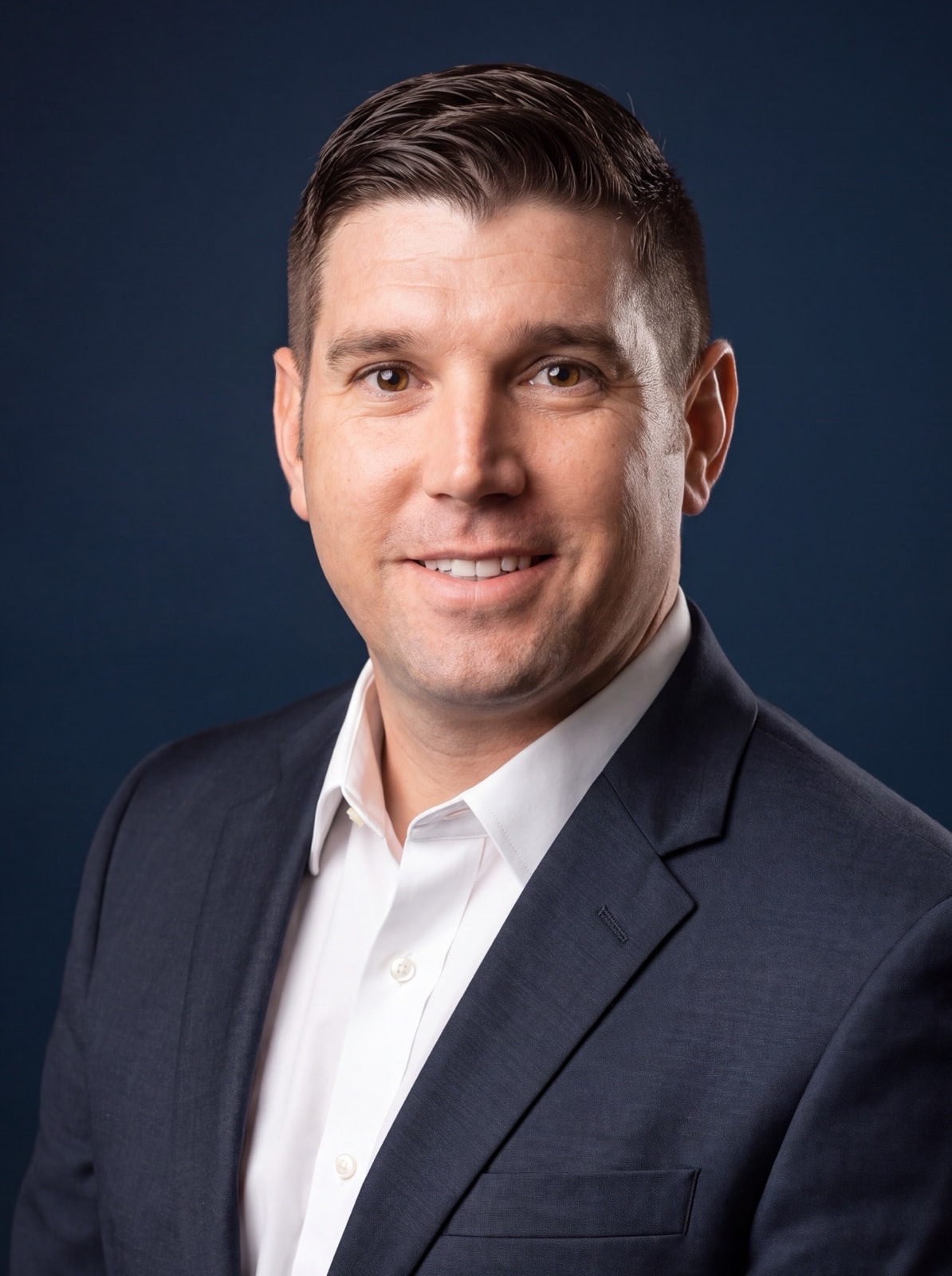 Andrew RapackeManaging Partner · Registered Patent AttorneyFormer Naval Engineering Officer. M.S. in electrical and electronics engineering.
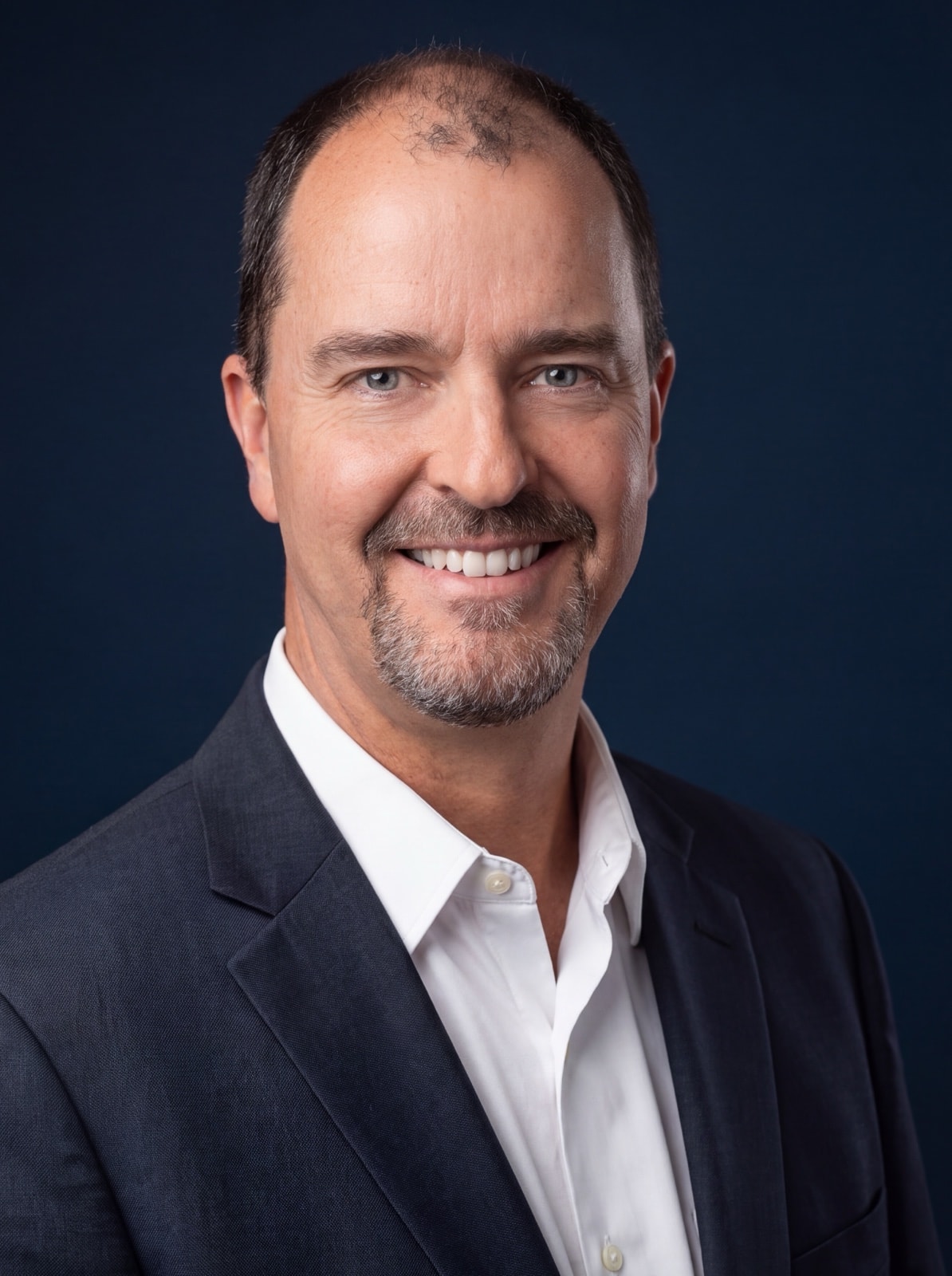 Chris WattRegistered Patent Attorney · Former USPTO ExaminerSoftware, AI and machine learning, and MedTech. A full-stack software engineer.
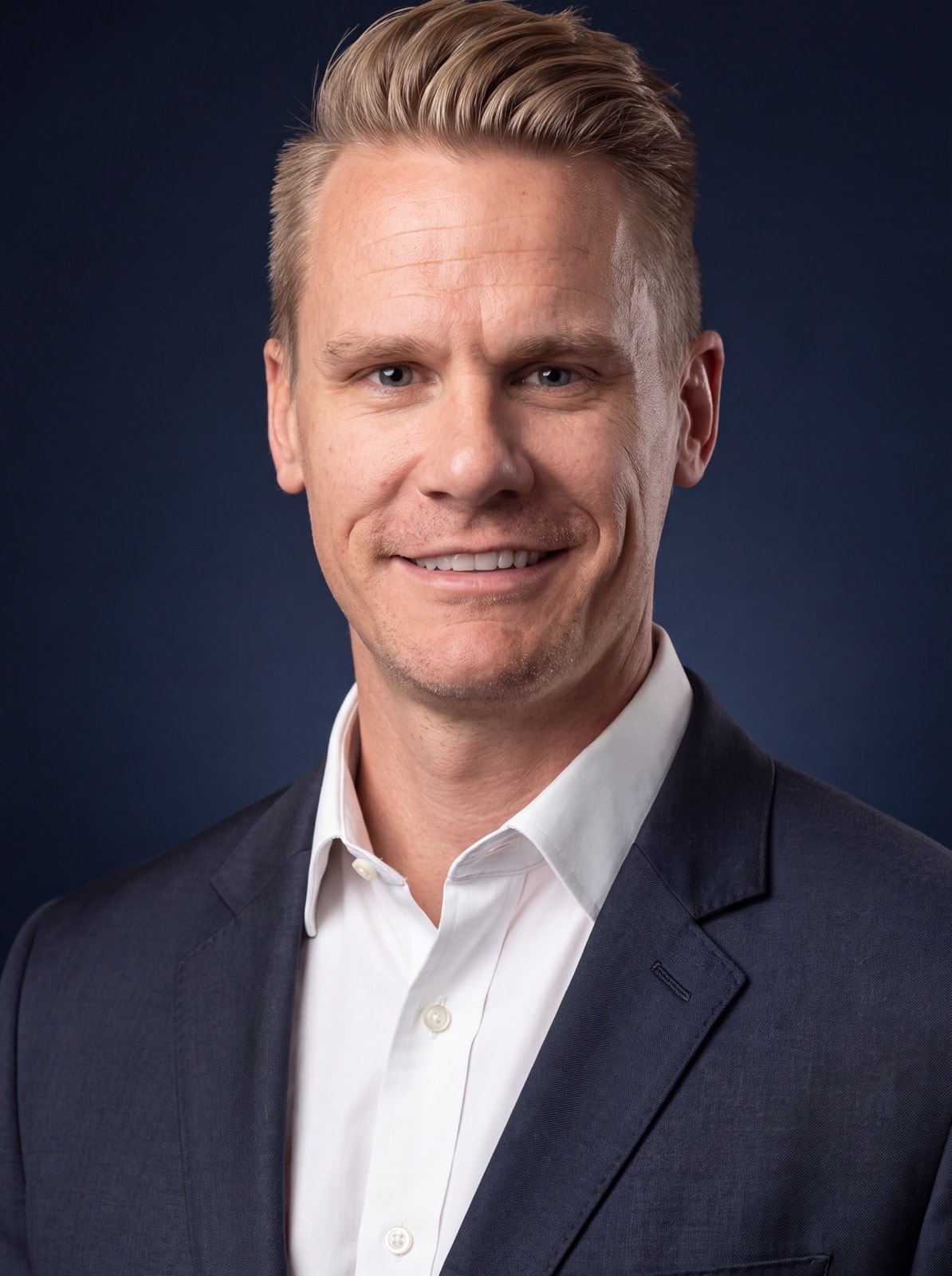 Ken BrooksRegistered Patent AttorneyMaterials science and engineering. Patents in software, AI, and electrical and mechanical systems.
[01]Who it's for
Your key features live on your servers, and a competitor can rebuild what they see in a quarter. A patent is how the method behind them stays yours.
How your platform isolates, provisions or scales tenants on shared infrastructure.
A new way to connect systems, sync records or move data between models that do not match.
How a model is trained, served or wired into the product to do something technical.
How the system counts, meters and reconciles usage at scale, not the price plan.
Industries we file in
[02]What's patentable
A SaaS patent covers a technical method your platform performs. The business model, the price plan and the look of the screens are protected other ways, if at all.
The method also has to be new and non-obvious. The $999 search tells you where you stand before you spend on filing.
[03]Claim strategy
The company running the servers, if the claims are written for it. A SaaS feature splits work between a provider's servers and a customer's browser or app, and a claim that needs both sides can leave no single company that infringes it.
A method claim is directly infringed when one party performs every step, or when the other steps are legally attributable to that party. In Limelight v. Akamai (2014), the Supreme Court held that no one can be liable for inducing infringement unless someone has directly infringed. On remand in 2015, the full Federal Circuit held that another party's steps count against a company that directs or controls them, that forms a joint enterprise with it, or that conditions a benefit on the step and sets how and when it is done.
Those tests turn on the facts of each case. The safer course is a claim that one company performs entirely on its own.
We write at least one independent claim around the steps your servers perform, from the moment a request arrives to the result they send back. A competitor running a similar service performs every one of those steps itself, so the claim reads on the competitor and not on any one of its customers.
| Claim angle | Who performs it | When it helps |
|---|---|---|
| Server-side method | The SaaS provider | The core claim for most platforms. It reaches a competitor's service directly |
| Client-side method | The user's device, app or SDK | When the invention is in the app, and a large company ships the client |
| Client and server system | Provider and customer together | Sometimes easier to get allowed, harder to enforce unless one company runs both sides |
| Computer-readable medium | Whoever makes or distributes the software | Covers self-hosted or white-label versions sold to others |
[04]Where it lives
Look past the interface. The part of a SaaS product worth patenting is usually what was hard to build, in the parts customers never see.
A useful test is to ask what your engineers argued about. The problem that took three attempts to solve is often the invention.
For granted SaaS patents from well-known companies, see the top 10 SaaS patents and 10 software patent examples every SaaS founder should study.
[05]Eligibility
Yes. Every SaaS claim is screened for eligibility the same way as any software claim, and running a process in the cloud does not make it eligible on its own.
What helps a SaaS claim is a specific technical improvement, such as less memory, lower latency, stronger isolation between tenants or fewer failed syncs, described step by step and compared with what came before. Claims about who pays, what a plan includes or how a business process flows are treated as abstract ideas.
The two-step test and the court decisions that drew the line are on our software patent attorney page.
[06]How we draft
We start from your architecture, not a feature list. Which steps run on your servers, which run in the browser or app, where the data lives and what a competitor would have to rebuild to match you.
We pair claims that describe what the platform does with claims that name the parts that do it. Claims written around function reach a competitor who builds the same result a different way. Claims that name specific components help show a technical improvement and set the invention apart from older systems.
Most SaaS applications also claim the invention as a method, a system and stored instructions. How those three forms work together is on our software patent page.
No finished code is needed. Your attorney turns the call into the description the application needs.
The same team handles what comes after. Patentability and freedom-to-operate opinions, office action responses, post-grant proceedings at the USPTO, patent litigation in federal court, and licensing agreements when a partner wants to use what you patented.
[07]Patent or secret
Patent what a competitor can learn from using your product. Keep secret what never leaves your servers. Most SaaS companies need both.
| Patent | Trade secret | |
|---|---|---|
| Use it for | Methods a competitor could work out from the product, its API or its public docs | Back-end code, model weights, training data and tuning that never leave your servers |
| How you get it | Apply to the USPTO and pass examination | Keep it confidential, with access limits, NDAs and employee agreements |
| How long it lasts | Generally 20 years from filing the full application | As long as it stays secret |
| Stops someone who builds it on their own | Yes | No. Independent development and reverse engineering are lawful |
| Made public | Yes. Applications are usually published 18 months after the earliest filing date | Never. Disclosure ends the protection |
Copyright alone may not stop a competitor either. In Google v. Oracle (2021), the Supreme Court held that Google's copying of roughly 11,500 lines of Java API code to build Android was fair use. A patent on your method does not depend on proving anyone copied your code.
For copyright in the same comparison, see patent, copyright or trade secret. For a deeper look at choosing between them, read intellectual property strategy for SaaS startups.
[08]Investors
Investors and acquirers want two answers. Does the company own what it sells, and is the part that makes it hard to replace protected?
Patents also move with the company. A patent is personal property that can be sold, assigned or licensed, so it stays an asset in an acquisition and can earn license income. More on how to monetize software patents.
[09]The flat-fee path
Every step is quoted before any work begins, and the search fee is credited toward a design or non-provisional application. Most SaaS clients file a provisional first, then the full application within 12 months.
01Start here
$999
Patentable or your money back. Credited toward a design or non-provisional application
Report in about 5 days
Not patentable, full refund*02Then
$2.5k–3.5k
Software flat fee
Patent pending the day it is filed
Patentability issues, full refund*03Within 12 months
From$11,000
Drawings and USPTO filing fees included
Filed before your 12-month deadline
Flat fee, not covered by the guarantee*Refunds subject to the RLG Guarantee Policy in your engagement letter. Utility (non-provisional) patents are quoted flat and are not covered by the guarantee. How The RLG Guarantee works
[10]The process
What happens at each step and who does the work. Timing shown is typical, never a promised date.
SaaS patentSearch to grant
[11]Timing
Before the feature becomes public. For SaaS that is usually a launch, a public beta, published API docs or a demo without an NDA.
The US gives a one-year grace period after your own disclosure. Many countries give none, so filing first keeps every market open. Details are in the timing section of our software patent page.
SaaS products change every sprint, and a provisional covers only what it describes. Features you build after it need their own filing, either another provisional or the full application, which can claim the dates of more than one provisional filed in the previous 12 months. Over time those filings add up to a portfolio around the platform rather than a single patent.
Not sure whether to file on an early version? Read should you patent your SaaS MVP.
[12]Questions
Still deciding? Your first call is free and comes with a straight answer on whether to file.
Book A Free Strategy CallIf a competitor could copy your key feature by using your product, often yes. A granted patent lets you stop others from making, using, selling or importing the claimed invention in the US, sue for infringement, and license or sell the patent. If the value is in code that never leaves your servers, your data or your brand, trade secrets and trademarks may do more. The patentability search is a lower-cost way to find out before you commit.
You can patent the technical methods inside it, not the product idea or the subscription model. Patents on SaaS usually cover how the platform processes, routes, secures or scales data. The claims have to describe a technical improvement, not a business result.
You need one before you make a technical method public that you would not want copied, such as a launch, published API docs or a demo. A patent attorney who writes software claims can tell you which features are worth filing, which to keep as trade secrets, and how to claim them so the patent reaches a competitor's platform. The first call is free.
With us, three flat fees to get on file. A $999 patentability search, a $2,500 to $3,500 provisional for software, and a full application at $11,000 with drawings and USPTO filing fees included. Office action responses are quoted flat before any work begins. USPTO issue and maintenance fees come later, and our software patent page lists them.
Usually not on its own. Pricing tiers, billing rules and subscription models are treated as ways of organizing commercial activity, which are abstract ideas. The metering, reconciliation or billing infrastructure behind them can qualify when it solves a technical problem, such as counting usage accurately across distributed services.
It is the problem of a method whose steps are split between two parties, such as a provider's server and a customer's browser. If no single party performs or controls every step, there may be no direct infringer to sue. We avoid it by writing claims around the steps your servers perform, so a competitor's platform infringes on its own.
File on the parts of the MVP that are technical and that you will make public. A provisional locks in a date for what it describes, and features you build later can be added in further filings within 12 months. Waiting until after a public launch starts the US one-year clock and can cost foreign rights.
If it runs only on your servers and cannot be worked out from the product, a trade secret may protect it longer and without publication. If a competitor could learn it from your product, API or docs, or build it on their own, only a patent stops them. Many SaaS companies patent what is visible and keep the rest secret.
Many ask about IP in diligence. They want to see that the company owns its code and inventions through written assignments, that the core method is on file, and that the product name is protected. A patent application is not required to raise, but a filing on the method that sets you apart is an asset you can point to.
The patentability search and the provisional application. If the search finds your invention is not novel, you get a full refund or another search. If patentability issues come up on your provisional, you get a full refund or more searches. Non-provisional applications are not covered. Refunds are subject to the RLG Guarantee Policy in your engagement letter.
[13]Learning Center
Not sure about patents, SaaS, or MVPs? This article explains why most businesses should patent their SaaS MVP as soon as possible, even before starting research and/or…
As a SaaS startup founder, you have a lot on your plate. Developing a great product, hiring rockstar engineers, fundraising, acquiring customers – these are just a few of…

As a SaaS founder, your company’s intellectual property (IP) is one of its most valuable assets, but do you know how to protect it? IP includes everything from the name…
[14]Client reviews
4.7 across 614 public reviews on Google, Trustpilot and Avvo.
#1Top reviewed IP law firm*
Read client reviews“I always felt confident that my intellectual property was in good hands.”
“A detailed analysis and report was provided once the search was completed. They answered all of my questions in a timely manner and advised me on the best strategies moving forward.”
“I am now patent pending and patiently awaiting approval on my patent application.”
Reviews reflect individual client experiences. Quotes are excerpts. Prior results do not guarantee a similar outcome. *#1 top reviewed means the most public client reviews on Google, Trustpilot and Avvo of any US patent or trademark firm.
Walk through your architecture with a registered patent attorney. The call is free, with no obligation.