Are Blockchain-Backed Technologies Patentable?
One study has reported that Chinese companies filed 4,435 blockchain patent applications between January and October of 2020. This rise in blockchain patent applications…
[INDUSTRY]Blockchain and Web3
We protect the protocol, the smart contracts and the project name, filed before the whitepaper or the code goes public. One flat fee for each step.
Your attorneys
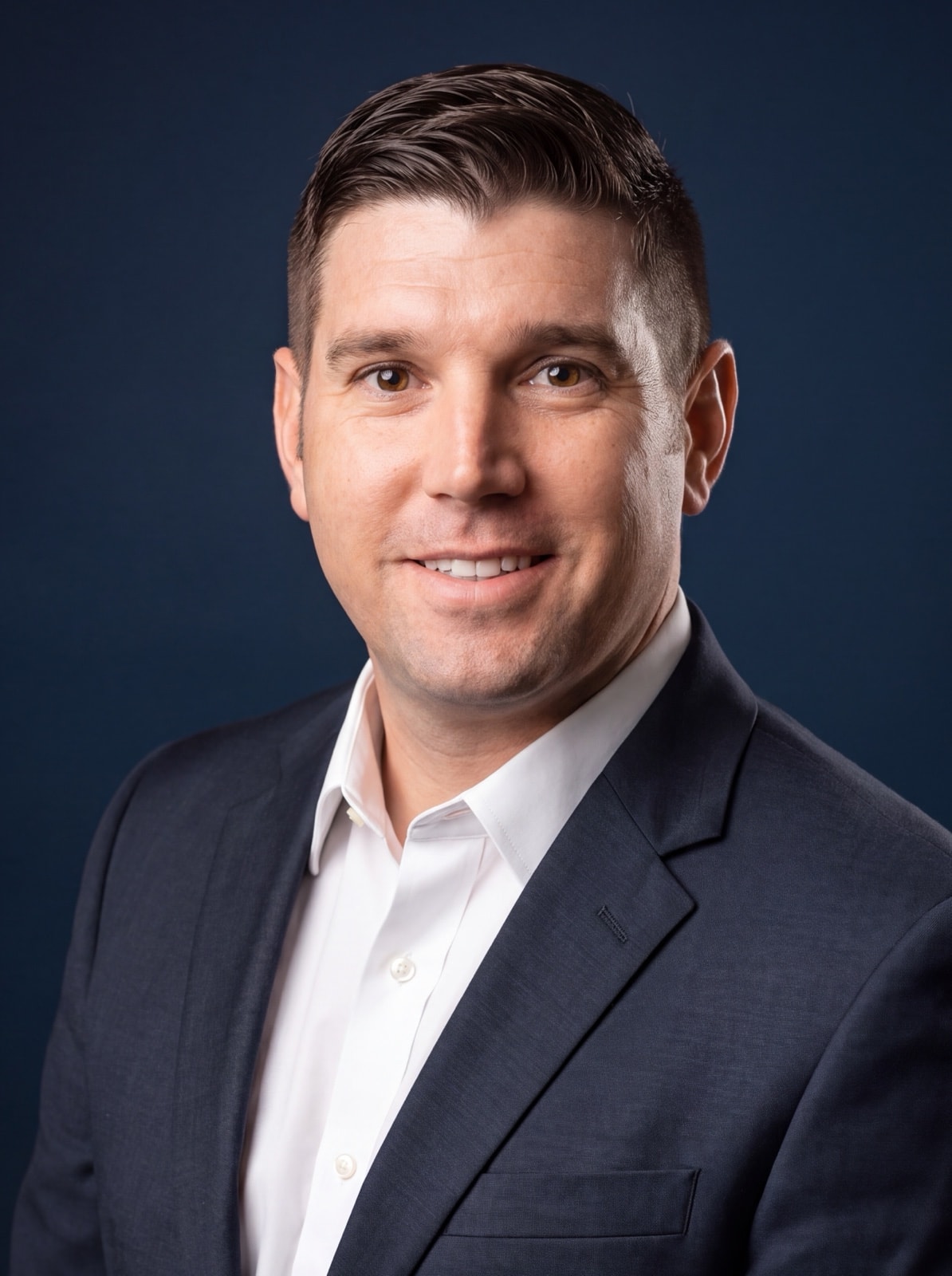 Andrew RapackeManaging Partner · Registered Patent AttorneyElectrical and computer engineering. Former Naval Engineering Officer.
 Casey GoldenbergAttorney · Trademarks and Patent ProsecutionTrademarks and patent prosecution, from a scientific background.
[01]Who it's for
From a two-person protocol team to a company running its own network, the work starts the same way. Find out what is new, then protect it before the code, the paper or the token goes public.
Consensus, scaling and interoperability work, protected before the repository opens or the testnet goes live.
Custody, key management and payment flows, claimed as the technical systems they are.
Permissioned ledgers for supply chains, records and identity, with the data and privacy questions planned in.
Consumer apps, marketplaces and the brands on them, protected before launch and before fundraising.
[02]What's protectable
Most blockchain products carry more than one kind of protection. A patent on how the system works, a design patent on how the app looks and a trademark on the name each stop a different kind of copy.
01Utility patent
The way the network reaches agreement, validates transactions or moves data between chains. Claims are written around a specific technical improvement, such as faster validation or safer key handling, not the idea of putting a record on a blockchain.
02Utility patent
The process a smart contract carries out, the oracle that feeds it data or the system that issues and tracks tokens, claimed as a technical process rather than a business practice moved onto a ledger.
03Design patent
The ornamental design of a wallet screen, a dashboard or an app icon, protected for 15 years from grant.
04Trademark
Clear and file the name before it goes on the whitepaper, the exchange listing and the app store, so the name your community knows is one you can keep.
Some things stay off-chain
Code published to a public repository is no longer a secret. A matching engine, a risk model or other logic that runs off-chain may be worth more as a trade secret than as a published patent. Your attorney tells you which on your first call.
[03]The flat-fee path
Every step is quoted before any work begins, and the search fee is credited toward a design or non-provisional application. Most blockchain founders file a provisional before the whitepaper, the public repository or the testnet, then the full application within 12 months.
01Start here
$999
Patentable or your money back. Credited toward a design or non-provisional application
Report in about 5 days
Not patentable, full refund*02Then
$2.5k–3.5k
Patent pending the day it is filed
Patentability issues, full refund*03Within 12 months
$7k–12k
Drawings and USPTO filing fees included
Filed before your 12-month deadline
Flat fee, not covered by the guaranteeAlongside the patent
*Refunds subject to the RLG Guarantee Policy in your engagement letter. Utility (non-provisional) patents are quoted flat and are not covered by the guarantee. How The RLG Guarantee works
[04]Open source and launch
A patent decides who can use the method. A public repository, a whitepaper or a testnet decides when the world first sees it. Once it is public the clock on filing starts, and the license you publish under decides what others can do with the code.
PatentWho can use the method
LaunchWhen the world sees it
File before you publish
A whitepaper, a public repository, a testnet or a conference talk can make an invention public. The US gives you one year after your own disclosure, but most other countries do not. File at least a provisional first.
Some open-source licenses, such as Apache 2.0, grant every user a license to the contributor's patents that the code uses. Pick the license knowing what it gives away, and file before the code is published.
How open source and patents fit togetherPutting a known business practice on a ledger is treated as an abstract idea under the Alice test. Claims that show how the system itself works better, such as faster validation or more secure key handling, stand on firmer ground.
Are blockchain technologies patentableOwning an NFT does not by itself transfer the copyright in the artwork or content it points to. A copyright transfer needs a signed writing, so the terms you publish decide what holders can do.
NFTs and intellectual propertyGeneral information, not legal, securities or tax advice. Whether a token or an offering is regulated depends on its facts and where it is offered.
[05]Related services
One firm for the patent, the brand and the agreements around them.
[06]Questions
Still deciding? Your first call is free and comes with a straight answer on whether to file.
Book A Free Strategy CallYes, when the invention is a specific technical improvement in how the system works, such as a new way to validate transactions, store keys or move data between chains. Putting an existing business practice on a blockchain is usually treated as an abstract idea under the Alice test. The patentability search tells you where your invention stands before you file.
The code itself is protected by copyright as soon as it is written. The process the smart contract carries out can be patented when it is new, not obvious and claimed as a technical system or method. Many founders protect both, plus the agreements with the developers who write it.
Yes. A whitepaper, a public repository or a testnet can make the invention public. The US gives inventors one year after their own disclosure to file, but most other countries require filing before any disclosure, so a provisional first keeps both options open.
Often, yes. Patents and trademarks protect the technology and the name. Whether a token is a security, and which money transmission, tax or consumer protection rules apply, are separate questions under financial regulation that depend on the facts. Answer them before launch.
Flat fees at every step. A $999 patentability search, a provisional application at $2,500 to $3,500 depending on the invention, and a non-provisional application at $7,000 to $12,000 with drawings and USPTO filing fees included. Every fee is quoted before work begins, and the search fee is credited toward a design or non-provisional application.
The patentability search, the provisional application, design patents and trademarks. If the search finds your invention is not novel, you get a full refund or another search. If patentability issues come up on your provisional, a full refund or more searches. If the USPTO denies your design application, you get a full refund. If it refuses your trademark, you get a refund or a new mark. Non-provisional applications are not covered. Refunds are subject to the RLG Guarantee Policy in your engagement letter.
[07]Learning Center
One study has reported that Chinese companies filed 4,435 blockchain patent applications between January and October of 2020. This rise in blockchain patent applications…
Is cryptocurrency patentable? It’s a question that has been popping up more and more lately, particularly with the race to innovate in the cryptocurrency world. Bitcoin…
Cryptocurrency was first invented in 2008 with the release of Bitcoin, the first public digital currency characterized by decentralized control, user anonymity, and…
Would you pay $580,000 for a one-of-a-kind animated gif of Nyan Cat? It’s the image of a flying cat with a Pop-Tart body and a rainbow trail; a meme that has been seen…
Understanding open source patent law is crucial for companies developing AI technology today. Artificial intelligence is advancing rapidly, fueled by open-source…
[08]Client reviews
4.7 across 614 public reviews on Google, Trustpilot and Avvo.
#1Top reviewed IP law firm*
Read client reviews“It gave us peace of mind knowing the total cost for this service was included in their flat-fee proposal.”
“They traversed the legal maze and minefield.”
“Extremely impressed with their fixed fee and timely approach.”
Reviews reflect individual client experiences. Quotes are excerpts. Prior results do not guarantee a similar outcome. *#1 top reviewed means the most public client reviews on Google, Trustpilot and Avvo of any US patent or trademark firm.
Talk through your project with a registered patent attorney. The call is free, with no obligation.