[SERVICE]International trademarks

International trademark registration for US brands

Trademark rights stop at the border. We protect your brand abroad through the Madrid Protocol, one application covering up to 133 countries, or by filing country by country where that fits better.

  • Madrid Protocol filings
  • EU, UK, China and 130+ countries
  • Fees quoted by country

Your attorneys

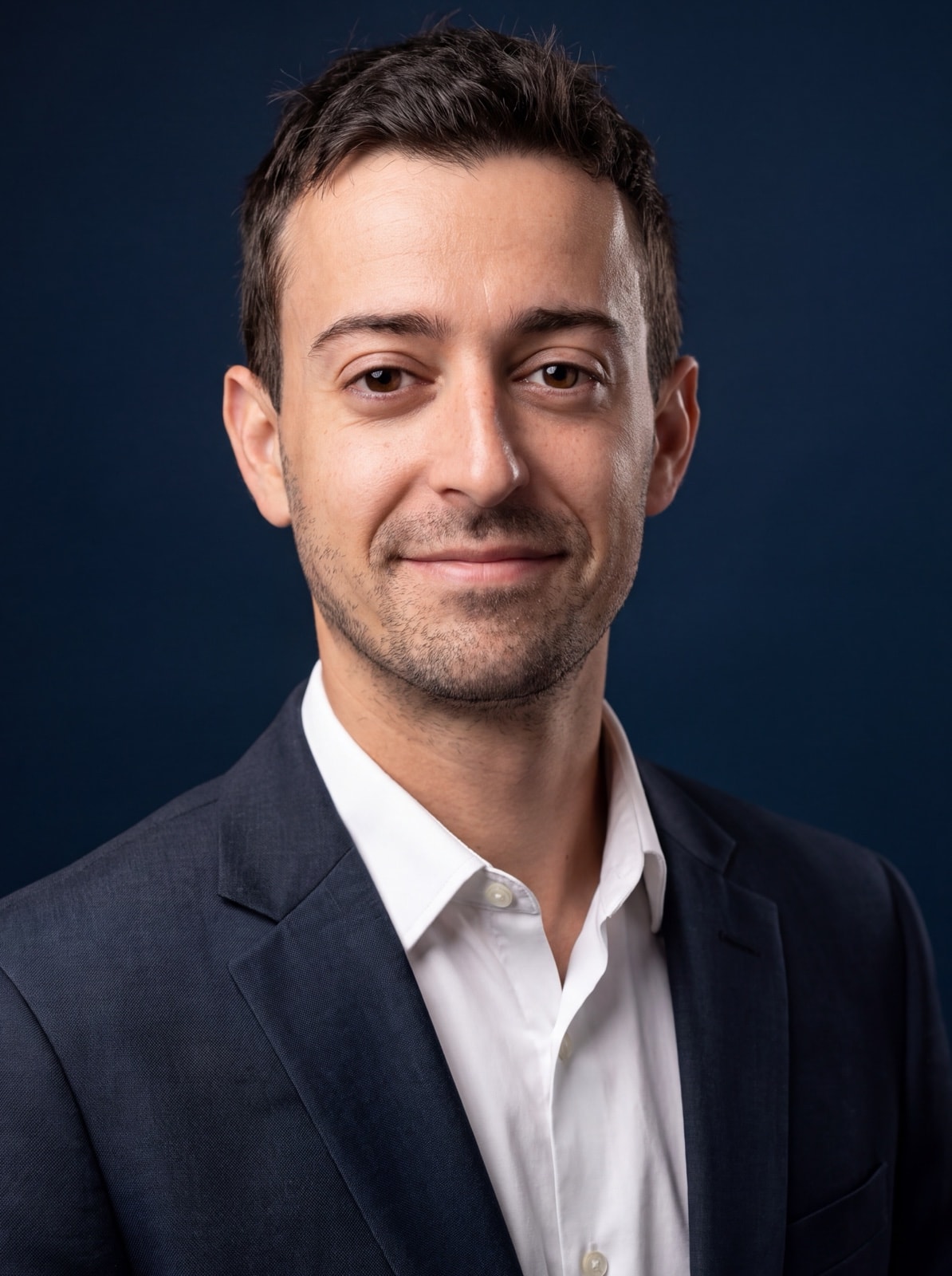
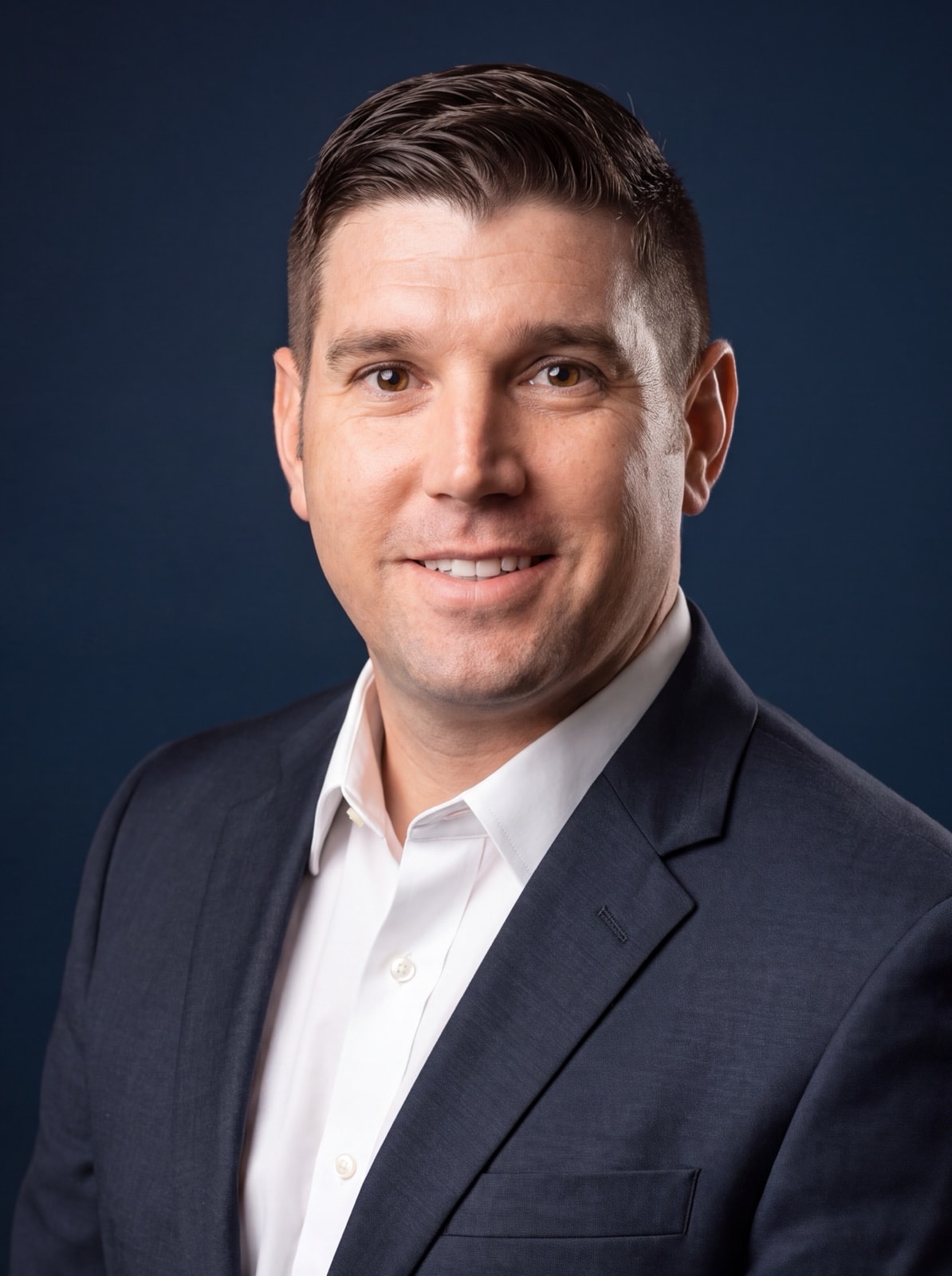
  • Andrew RapackeAndrew RapackeManaging Partner · Registered Patent AttorneyFormer Naval Engineering Officer. M.S. in electrical and electronics engineering.
  • Casey GoldenbergCasey GoldenbergAttorney · Trademarks and Patent ProsecutionTrademarks and patent prosecution, from a scientific background.
  • Phillip HortonPhillip HortonAssociate Attorney · Trademarks and IP LitigationTrademark clearance, prosecution and TTAB matters, plus IP litigation.

4.7 from 614 public reviews

Meet the team

[01]Who it's for

For brands crossing a border.

Most US companies think about foreign trademarks too late, after a distributor, a manufacturer or a squatter has already filed their name abroad. In most of the world, the first to file wins.

  • Selling in new markets

    Launching in Europe, the UK, Canada, Asia or Latin America, online or through distributors.

  • Manufacturing overseas

    Production in China or elsewhere, where a factory or partner could register your brand first.

  • Selling on global marketplaces

    Brand protection programs on marketplaces often rely on a registration in the market you sell in.

  • Stopping trademark squatters

    Filing before someone else registers your name abroad and asks you to buy it back.

[02]What Madrid covers

What the Madrid Protocol can and can't do.

The Madrid System, run by the World Intellectual Property Organization (WIPO), has 117 members covering 133 countries. One international application, based on your US filing, reaches any of them you choose.

File abroad within six months of your US filing and you can claim the US date as your priority date in other Paris Convention countries, including through Madrid.

Through Madrid you can

  • File once for many countriesOne application in English and one set of fees, paid in Swiss francs.
  • Reach the major marketsThe EU (all 27 member states in one designation), the UK, China, Canada, Mexico, India, Japan and more.
  • Add countries laterA subsequent designation extends the same registration to new markets as you grow.
  • Manage it centrallyRenew every 10 years, and record changes of owner or address, in one place.

Madrid can't

  • Cover countries outside the systemTaiwan, Hong Kong, Argentina, South Africa and Peru, among others, need national filings.
  • Claim more than your US filingThe goods and services can be narrower than your US application or registration, never broader.
  • Survive a failed US filingFor five years, if your US mark falls, the international registration falls with it.
  • Give one worldwide decisionEach country examines the mark under its own law, and can refuse it.

[03]How it works

How the Madrid Protocol works for a US brand.

A Madrid filing starts from your US application or registration, the basic mark, and runs through WIPO to each country you designate.

  1. Your US basic mark. A pending US application or a US registration for the same mark, owned by the same applicant.
  2. The international application. Since October 1, 2026, international applications based on a US mark are filed in WIPO's Madrid e-Filing system instead of through the USPTO's own forms. You choose the countries and list the goods and services.
  3. USPTO certification. The USPTO still certifies that the international application matches your US filing, for $100 per class, now paid to WIPO with the other fees.
  4. WIPO examination and registration. WIPO checks the formalities, records the international registration and notifies each designated country.
  5. Each country examines it. Every office applies its own law, and has 12 months, or 18 in countries that have declared the longer period, to refuse protection. A refusal is answered through local counsel in that country.
  6. Protection granted. Where there is no refusal, or once it is overcome, the mark is protected in that country as if it had been filed there directly.

The USPTO's own guidance is clear that Madrid is optional. You can always file directly in individual countries, and sometimes that is the better choice. Protecting the product itself abroad works differently, through PCT patents.

[04]Choosing a route

Madrid Protocol vs filing directly in each country.

Madrid is usually simpler, and often cheaper, when you want several member countries. Direct national filings are usually better when the US mark is still vulnerable, the country is not a member, or the goods need wording a local office will accept.

The Madrid Protocol and direct national trademark filings compared
Madrid ProtocolDirect national filing
How you fileOne international application through WIPOA separate application in each country, usually through local counsel
CountriesAny of the 133 countries in the systemAny country, including those outside Madrid
Tie to your US markDepends on it for 5 yearsIndependent from day one
Goods and servicesLimited to your US filing's scopeWritten for each country's rules
FeesOne WIPO payment in Swiss francs, plus each country's feeEach office's fee, plus local counsel in each country
Fits whenSeveral member countries, a solid US mark, central managementNon-member countries, a US mark at risk, or one key market

The EU and the UK after Brexit

One EU trade mark covers all 27 EU member states, through a Madrid designation or a direct filing with the EU Intellectual Property Office. Since January 1, 2021, it no longer covers the United Kingdom. The UK needs its own designation or a filing with the UK Intellectual Property Office, where registration costs at least £205 and protects the UK and the Isle of Man.

China and other first-to-file countries

In China, the first to file generally owns the mark, whoever used it first. The US Commerce Department warns that this lets bad-faith applicants register a foreign brand and then hold it hostage. If you manufacture or sell in China, file early, in Chinese characters as well as English where it makes sense. A Chinese registration does not cover Hong Kong or Macao, which need their own filings.

Countries outside the Madrid System

Taiwan, Hong Kong, Argentina, South Africa and Peru are among the markets Madrid does not reach. Each needs a national application, filed through local counsel.

[05]How we file

Pick the countries, then the route.

We start with where your brand will be sold, made and copied over the next few years, then choose the route country by country. We handle the international application from start to finish, and coordinate with trusted local counsel abroad when a country's office raises a refusal.

Search and analysis

  • Database searches. Trademark registers in each target market, for conflicting marks.
  • Registrability. How strong the mark will be in each country, including translations and local meanings.
  • A recommendation. Which countries, which route and which classes, with the official fees.

Filing and registration

  • The application. Prepared and filed through Madrid e-Filing or national offices.
  • Country selection. Guidance on where protection is worth the fee.
  • Refusals. Office actions abroad, answered with local counsel.

After registration

  • Monitoring and enforcement. Watching registers and marketplaces for conflicting filings, and cease and desist letters when someone infringes.
  • Renewals and maintenance. Tracking 10-year renewals and each country's use requirements.
  • Licensing and assignments. Licenses and transfers of foreign rights, recorded with the right offices.

It all starts from a strong US mark. If yours is not filed yet, start with trademark registration. For a dispute abroad, see trademark litigation.
[06]The main risk

The five-year dependency, and central attack.

For five years from the international registration date, your Madrid registration depends on your US basic mark. If the US application is refused, or the US registration is cancelled, in that period, protection falls in every designated country at once.

A competitor can use that dependency on purpose, by attacking the US mark to knock out the whole international registration. That is called central attack.

  • Transformation. If the international registration is cancelled this way, you can file national applications in the designated countries within three months and keep the original international registration date.
  • Lower the risk first. A clearance search and a well-drafted US application make the basic mark harder to attack. If the US mark is likely to draw a refusal, direct national filings may be safer.
  • After five years. The international registration becomes independent of the US mark.

[07]Costs

How much does an international trademark cost?

It depends on the countries and the number of classes. A Madrid filing is one payment to WIPO made up of several fees, and our fee is quoted for the countries you choose.

Madrid Protocol fees for a US applicant
FeeAmountPaid to
WIPO basic feeCHF 653, or CHF 903 if the mark is in colorWIPO
Country feesSet by each designated country, often per classWIPO, for each country
Supplementary and complementary feesCHF 100 each, for some countries and for classes beyond threeWIPO
USPTO certification$100 per class, or $150 per class if based on more than one US filingWIPO, for the USPTO
Answering a refusalLocal counsel fees in that country, if an office objectsLocal counsel

WIPO's Madrid fee calculator shows the official fees for any set of countries. More on international trademarking and US trademark filing costs.

[08]Fees

Your filing fee, quoted by country.

International filings are priced by the countries and classes you choose. We quote our fee, and list the official fees, before any work begins.

  1. 01Start here

    Free strategy call

    Free

    No obligation

    • Where you sell, make and expect copies
    • Madrid, national filings or both
    • A quote for the countries you choose

    Before you launch abroad

    Free, no obligation
  2. 02Then

    Clearance abroad

    Quoted

    By country

    • Register searches in your target markets
    • Translations and local meanings checked
    • A country-by-country recommendation

    Before you file

    Not covered by the guarantee
  3. 03Then

    International filing

    Quoted

    By country and class

    • Madrid application or national filings
    • Country and class selection
    • Refusals answered with local counsel

    Within 6 months of your US filing, ideally

    Not covered by the guarantee

International filings are quoted by country and are not covered by The RLG Guarantee. WIPO, USPTO and national office fees are separate. How The RLG Guarantee works

[09]The process

From US filing to protection abroad.

What happens at each step and who does the work. Timing shown is typical, never a promised date.

International trademarkUS mark to protection abroad

  1. Day one01Day oneStrategy callFree. Markets, timing and route.
  2. First02FirstUS basic markYour US application or registration in place.
  3. Our team03Our teamClearance abroadSearches in your target countries.
  4. Within 6 months04Within 6 monthsInternational filingMadrid e-Filing or national offices.
  5. WIPO05WIPOCertification and WIPOUSPTO certifies, WIPO registers and notifies.
  6. 12 to 18 months0612 to 18 monthsCountry examinationEach office has 12 or 18 months to object.
  7. 07Protected abroadRenewed every 10 years through WIPO.

[10]Questions

Questions about international trademarks.

Planning to sell or manufacture abroad? Your first call is free and comes with a straight answer on where to file first.

Book A Free Strategy Call
Is there an international trademark that covers the whole world?

No. Trademark rights are national or regional. The Madrid Protocol lets you apply for protection in up to 133 countries with one application, but each country still decides whether to protect the mark.

How do I register my trademark internationally?

Most US brands file through the Madrid Protocol, an international application based on their US application or registration, designating the countries they want. The alternative is to file directly with each country's trademark office, which is necessary for countries outside the Madrid System.

Which countries are covered by the Madrid Protocol?

The Madrid System has 117 members covering 133 countries, including the EU, the UK, China, Japan, India, Canada, Mexico, Brazil and Australia. Taiwan, Hong Kong, Argentina, South Africa and Peru are among the markets it does not cover.

How much does it cost to trademark a name internationally?

It depends on the countries and classes. A Madrid filing has a WIPO basic fee of CHF 653, or CHF 903 for a color mark, plus a fee for each designated country and a USPTO certification fee of $100 per class. Our fee is quoted by country before any work begins.

How long does international trademark registration take?

Designated countries have 12 months, or 18 in countries that have declared the longer period, to refuse protection. Where there is no refusal, protection follows. Refusals add time, and are answered through local counsel.

Do I need a US trademark before filing through Madrid?

You need a US application or registration for the same mark, owned by you. The international application can be filed while the US application is still pending, and claim its filing date if filed within six months.

Does an EU trademark cover the UK?

No, not since January 1, 2021. The UK needs its own registration, through a separate Madrid designation or a filing with the UK Intellectual Property Office.

Should I register my trademark in China?

If you manufacture, source or sell there, usually yes, and early. China follows a first-to-file system, so someone else can register your brand before you do. A Chinese registration does not cover Hong Kong or Macao.

What happens to my international registration if my US application is refused?

For five years from the international registration date, it depends on the US basic mark. If the US mark is refused or cancelled in that time, the international registration is cancelled too, but you can transform it into national applications within three months and keep the original date.

Can I add countries later?

Yes. A subsequent designation extends an existing international registration to more Madrid countries, for that country's fee, without starting over.

How do I protect my product abroad, not just the brand?

Trademarks protect the name and logo. The invention itself is protected abroad with patents, usually starting with a PCT application within 12 months of your first US patent filing.

[11]Learning Center

Go deeper on protecting your brand.

[12]Client reviews

Brand owners who filed with us.

4.7 across 614 public reviews on Google, Trustpilot and Avvo.

#1Top reviewed IP law firm*4.7 from 614 reviews

Read client reviews
  • “Extremely impressed with their fixed fee and timely approach.”

    Forrest A.Trademark · Google
  • “They filed my trademark within a day.”

    Pritesh K.Trademark · Google
  • “Answered every question I had with a phone call directly.”

    Tim A.Trademark · Google

Reviews reflect individual client experiences. Quotes are excerpts. Prior results do not guarantee a similar outcome. *#1 top reviewed means the most public client reviews on Google, Trustpilot and Avvo of any US patent or trademark firm.

Take your brand across the border.

Talk through where you sell and make your product on a free IP strategy call. No obligation.