Provisional Patent Application: The Fastest Way to Get Patent Pending
A provisional patent application is your gateway to the coveted ‘patent pending’ status, offering a crucial head start in the competitive world of innovation. By filing…
[INDUSTRY]Defense technology
We protect the technology, its design and its name, with contract rights and export rules planned in from the start. One flat fee for each step.
Your attorneys
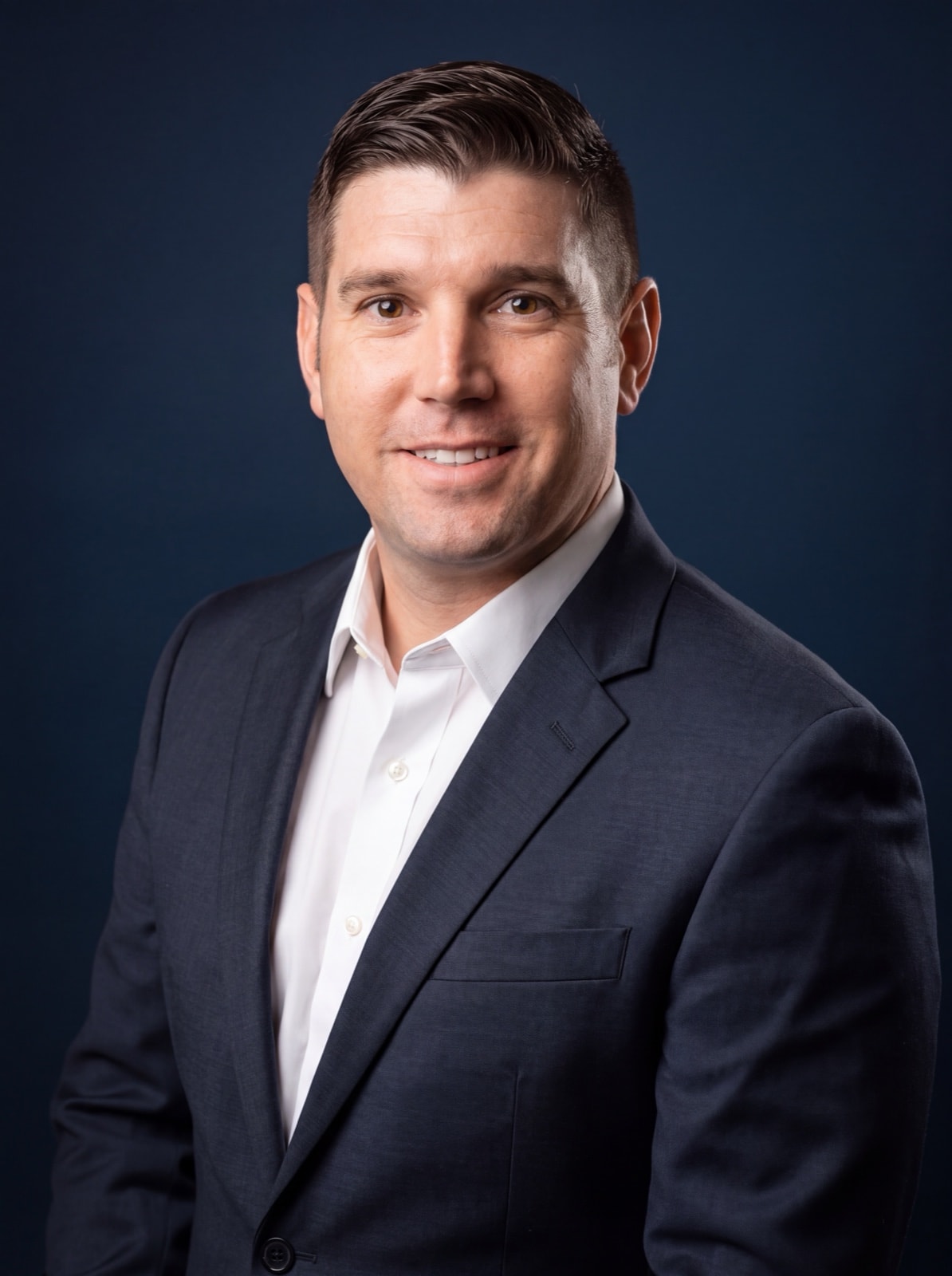 Andrew RapackeManaging Partner · Registered Patent AttorneyElectrical and computer engineering. Former Naval Engineering Officer.
 Ken BrooksRegistered Patent AttorneySoftware, AI and machine learning, electrical and mechanical systems.
[01]Who it's for
From a two-person startup to a contractor with a growing portfolio, the work starts the same way. Find out what is new, protect it before it is shown, and keep track of who owns it.
Founders building for defense customers, protected before the first demo, pilot or investor meeting.
Companies doing funded research or development, with the contract's patent rights clause tracked from day one.
Technology sold to commercial and defense customers alike, from sensors and materials to communications.
Unmanned systems and the navigation, sensing and control software that runs them.
[02]What's protectable
Most defense and dual-use products carry more than one kind of protection. A patent on how it works, a design patent on how it looks and a trademark on its name each stop a different kind of copy.
01Utility patent
The mechanism, the structure, the materials and the way it is used. Claims are written around what makes your technology work better than what is fielded today.
02Utility patent
Software for autonomy, sensing or secure communications, claimed as a specific technical process rather than an abstract idea.
03Design patent
The ornamental design of a housing, a wearable or a control interface, protected for 15 years from grant.
04Trademark
Clear and file the name before it goes on proposals, capability statements and the product itself, so the name you build a reputation on is one you can keep.
Some things stay secret
A process, a formulation or test data no one can learn from the finished product may be worth more as a trade secret than as a published patent. Your attorney tells you which on your first call.
[03]The flat-fee path
Every step is quoted before any work begins, and the search fee is credited when you file. Most defense founders file a provisional before any public demo, trade show or paper, then the full application within 12 months.
01Start here
$999
Patentable or your money back. Credited when you file
Report in about 5 days
Not patentable, full refund*02Then
$2.5k–3.5k
Patent pending the day it is filed
Patentability issues, full refund*03Within 12 months
$7k–12k
Drawings and USPTO filing fees included
Filed before your 12-month deadline
Flat fee, not covered by the guaranteeAlongside the patent
*Refunds subject to the RLG Guarantee Policy in your engagement letter. Utility (non-provisional) patents are quoted flat and are not covered by the guarantee. How The RLG Guarantee works
[04]Government and export rules
A patent decides who can make and sell the technology. Government contracts, national security review and export rules decide who owns it, who can see it and where you can file. The timing of each shapes the others.
PatentWho can make and sell it
ContractIf government money funded it
Check export rules before you share
Filing abroad needs a USPTO foreign filing license first. Sharing drawings or technical data with a foreign person can count as an export under ITAR or the EAR, even inside the US.
Under patent rights clauses such as FAR 52.227-11 and DFARS 252.227-7038, a contractor can usually keep ownership of an invention made under the contract. The government gets a nonexclusive, paid-up license, and a missed deadline to disclose or elect lets the agency ask for title.
Under the Invention Secrecy Act, now 35 U.S.C. 181, if a defense agency decides publishing an invention would harm national security, the USPTO orders it kept secret. Publication and grant are withheld, and sharing it needs the USPTO's permission.
For an invention made in the US, filing abroad within six months of the US filing needs a foreign filing license, usually granted on the filing receipt. Filing abroad without one can bar a US patent.
General information, not legal, contracting or export control advice. The rules that apply depend on your contract, your technology and how it is classified for export.
[05]Related services
One firm for the patent, the brand and the agreements around them.
[06]Questions
Still deciding? Your first call is free and comes with a straight answer on whether to file.
Book A Free Strategy CallYes. Defense and dual-use inventions are examined under the same patent rules as any other invention. Every application is also screened for national security when it arrives at the USPTO, and if a defense agency decides that publishing it would harm national security, the invention is ordered kept secret.
A 1951 law, now in 35 U.S.C. 181 and the sections after it, that lets the USPTO keep an invention secret when a defense agency decides that publishing it would harm national security. A secrecy order withholds publication and grant, lasts one year at a time and can be renewed. While it is in force, sharing the invention or filing it abroad needs the USPTO's permission.
It depends on the contract's patent rights clause. Under clauses such as FAR 52.227-11 and DFARS 252.227-7038, the contractor can usually keep ownership if it discloses the invention to the agency and elects ownership within the deadlines the clause sets. The government gets a nonexclusive, paid-up license to use it, and a missed deadline lets the agency ask for title. Read your contract's clause early.
For an invention made in the US, yes, unless six months have passed since you filed here without a secrecy order. The USPTO grants a foreign filing license, usually on the filing receipt. Filing abroad without one can bar you from getting a US patent. Export rules, ITAR and the EAR, can also limit sharing technical data with foreign persons, even inside the US.
Flat fees at every step. A $999 patentability search, a provisional application at $2,500 to $3,500 depending on the invention, and a non-provisional application at $7,000 to $12,000 with drawings and USPTO filing fees included. Every fee is quoted before work begins, and the search fee is credited toward your application.
The patentability search, the provisional application, design patents and trademarks. If the search finds your invention is not novel, you get a full refund or another search. If patentability issues come up on your provisional, a full refund or more searches. If the USPTO denies your design application, you get a full refund. If it refuses your trademark, you get a refund or a new mark. Non-provisional applications are not covered. Refunds are subject to the RLG Guarantee Policy in your engagement letter.
[07]Learning Center
A provisional patent application is your gateway to the coveted ‘patent pending’ status, offering a crucial head start in the competitive world of innovation. By filing…
Explore 5 famous examples of trade secrets, from Coca-Cola to Google, and learn how to fit trade secrets into your IP strategy. Book a free IP strategy call.
One of the most common questions we encounter during our initial consultation is what type of patent application do I need? What are the differences between a design…
[08]Client reviews
4.7 across 614 public reviews on Google, Trustpilot and Avvo.
#1Top reviewed IP law firm*
Read client reviews“A detailed analysis and report was provided once the search was completed. They answered all of my questions in a timely manner and advised me on the best strategies moving forward.”
“I can safely trust them with scientific and legal integrity regarding ownership and accountability of inventions.”
“I am now patent pending and patiently awaiting approval on my patent application.”
Reviews reflect individual client experiences. Quotes are excerpts. Prior results do not guarantee a similar outcome. *#1 top reviewed means the most public client reviews on Google, Trustpilot and Avvo of any US patent or trademark firm.
Talk through your technology with a registered patent attorney. The call is free, with no obligation.