The Aftermath of Alice and It’s Impact on Software-Related Inventions
The Supreme Court’s 2014 ruling in the case of Alice Corp. v. CLS International caused the software developers’ world to rethink how they develop products and how those…
[INDUSTRY]Cybersecurity and security software
We help you decide what to patent and what to keep secret, then protect it with claims written to clear the abstract idea test. One flat fee for each step.
Your attorneys
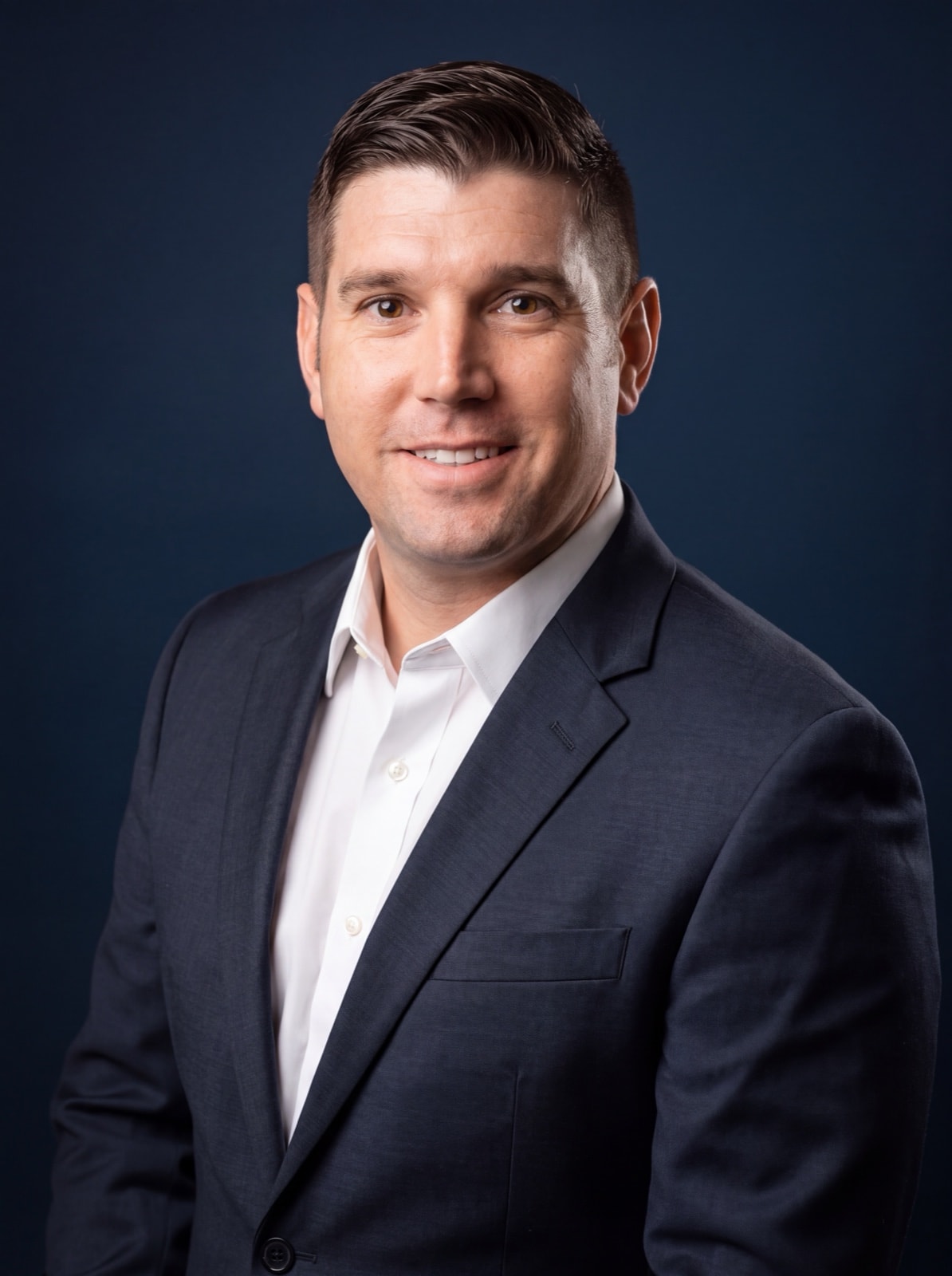 Andrew RapackeManaging Partner · Registered Patent AttorneyElectrical and computer engineering. Former Naval Engineering Officer.
 Ken BrooksRegistered Patent AttorneySoftware, AI and machine learning, electrical and mechanical systems.
[01]Who it's for
From a founder with a new detection method to a vendor adding to its platform, the work starts the same way. Decide what is new and visible, protect it before a conference talk or a launch, and keep the rest secret.
Detection, response and identity products, protected before the first design partner, conference talk or funding round.
Access control, network monitoring and cloud security methods, claimed as improvements to how systems run.
Hardware security keys, secure elements and trusted computing designs, from the chip to the housing.
Models that find attacks in traffic, logs and code, protected as the technical process they run.
[02]What's protectable
Security products carry more than one kind of protection, and some of the most valuable parts are worth more kept secret. A patent on how the system works, a design patent on how it looks and a trademark on its name each stop a different kind of copy.
01Utility patent
How your product detects, blocks or authenticates in a way that makes computers and networks work more securely. Claims are written around that technical improvement, not the security goal it serves.
02Utility patent
Secure elements, hardware keys and trusted execution designs, claimed by their structure and by the method they perform.
03Design patent
The ornamental design of a security key, an appliance or a console screen, protected for 15 years from grant.
04Trademark
Clear and file the name before it goes on the website, the data sheet and partner marketplaces, so the name buyers trust with their systems is one you can keep.
Patent what shows, keep what doesn't
Detection rules, signatures, threat data and server side models no one can see from outside may be worth more as trade secrets than in a published patent, which would show attackers how they work. Methods a customer or a competitor can see in the product are usually stronger patented. Your attorney tells you which on your first call.
[03]The flat-fee path
Every step is quoted before any work begins, and the search fee is credited when you file. Most security founders file a provisional before a conference talk, a public beta or a design partner rollout, then the full application within 12 months.
01Start here
$999
Patentable or your money back. Credited when you file
Report in about 5 days
Not patentable, full refund*02Then
$2.5k–3.5k
Patent pending the day it is filed
Patentability issues, full refund*03Within 12 months
$7k–12k
Drawings and USPTO filing fees included
Filed before your 12-month deadline
Flat fee, not covered by the guaranteeAlongside the patent
*Refunds subject to the RLG Guarantee Policy in your engagement letter. Utility (non-provisional) patents are quoted flat and are not covered by the guarantee. How The RLG Guarantee works
[04]Patent or secret
A patent publishes how your method works in exchange for the right to stop others using it. A trade secret keeps it hidden for as long as you protect it. The abstract idea test, export rules for encryption and your disclosure plans all shape which way to go.
PatentPublished and enforceable
SecretHidden while you protect it
File before the talk
A conference presentation, a research paper, a public repository or a vulnerability write up can make a method public. The US gives you one year after your own disclosure, but most other countries do not. File at least a provisional first.
The Federal Circuit has held that a behavior based virus scan (Finjan v. Blue Coat, 2018) and a way of checking software licenses in protected memory (Ancora v. HTC, 2018) were more than abstract ideas, because they improved how computers work.
How Alice changed software patentsClaims that only describe screening email or files on generic computers have been held abstract, as in Intellectual Ventures v. Symantec (2016). Claims that spell out the technical steps and the result they produce are on firmer ground.
Overcoming a 101 rejectionEncryption software and hardware are controlled under the Export Administration Regulations, and many products need a classification or a report before export. Plan foreign filings and sharing with overseas partners with those rules in mind.
Filing patents abroad with the PCTGeneral information, not legal or export control advice. The rules that apply depend on your product and where you sell it.
[05]Related services
One firm for the patent, the brand and the agreements around them.
[06]Questions
Still deciding? Your first call is free and comes with a straight answer on whether to file.
Book A Free Strategy CallYes, when the claims cover a specific technical improvement to how computers or networks run securely, such as a new way to detect malicious code or to verify a device. A security goal on its own, such as blocking bad email, is treated as an abstract idea however it is coded. The patentability search shows where your invention stands before you file.
If attackers and competitors cannot see the method from outside, such as rules, signatures or a model running on your servers, a trade secret keeps it hidden and lasts as long as it stays secret. A patent publishes how the method works, which can help attackers work around it. If the method shows in the product or could be reverse engineered, a patent is often the stronger choice. Many security companies use both.
Most US applications are published 18 months after the earliest filing date, and a granted patent is public. The application has to describe the invention well enough for a skilled engineer to make and use it, but it does not need your live rules, thresholds or threat data. Deciding what goes in is part of the first call.
By treating it as one. Under the Defend Trade Secrets Act, information is only a trade secret if you take reasonable measures to keep it secret, such as limiting access, using NDAs and confidentiality terms with staff and partners, and marking confidential material. If it is taken, trade secret litigation can stop its use.
Yes. A talk, a paper, a public proof of concept or a vulnerability write up can make the method public. The US gives inventors one year after their own disclosure to file, but most other countries require filing first, so a provisional before the talk keeps both options open.
Flat fees at every step. A $999 patentability search, a provisional application at $2,500 to $3,500 depending on the invention, and a non-provisional application at $7,000 to $12,000 with drawings and USPTO filing fees included. Every fee is quoted before work begins, and the search fee is credited toward your application.
The patentability search, the provisional application, design patents and trademarks. If the search finds your invention is not novel, you get a full refund or another search. If patentability issues come up on your provisional, a full refund or more searches. If the USPTO denies your design application, you get a full refund. If it refuses your trademark, you get a refund or a new mark. Non-provisional applications are not covered. Refunds are subject to the RLG Guarantee Policy in your engagement letter.
[07]Learning Center
The Supreme Court’s 2014 ruling in the case of Alice Corp. v. CLS International caused the software developers’ world to rethink how they develop products and how those…
Are you stumped by a 35 U.S.C. § 101 rejection? This abrupt bump on your patent application journey indicates a disconnect between your invention and patent eligibility…
Explore 5 famous examples of trade secrets, from Coca-Cola to Google, and learn how to fit trade secrets into your IP strategy. Book a free IP strategy call.
In 2018, a Waymo engineer walked out with thousands of confidential files containing critical self-driving car source code and took them to Uber. The theft cost Uber $245…
In the software industry, a lot of intellectual property assets carry value due to the simple fact that others, such as competitors, do not know what you and your company…
When it comes to SaaS companies, which base their entire business on a subscription based software model, the possibility of someone stealing their proprietary software…
[08]Client reviews
4.7 across 614 public reviews on Google, Trustpilot and Avvo.
#1Top reviewed IP law firm*
Read client reviews“It gave us peace of mind knowing the total cost for this service was included in their flat-fee proposal.”
“I always felt confident that my intellectual property was in good hands.”
“I can safely trust them with scientific and legal integrity regarding ownership and accountability of inventions.”
Reviews reflect individual client experiences. Quotes are excerpts. Prior results do not guarantee a similar outcome. *#1 top reviewed means the most public client reviews on Google, Trustpilot and Avvo of any US patent or trademark firm.
Talk through your product with a registered patent attorney. The call is free, with no obligation.