
How to Write Patent Claims That Actually Protect Your Invention
how to write claims — learn how to write patent claims that are broad, valid, and enforceable. Expert guidance on independent claims, method claims, and comm
[INDUSTRY]Robotics and automation
We protect the mechanism, the control software, the robot's look and its name, with claims that cover the hardware and what it does. One flat fee for each step.
Your attorneys
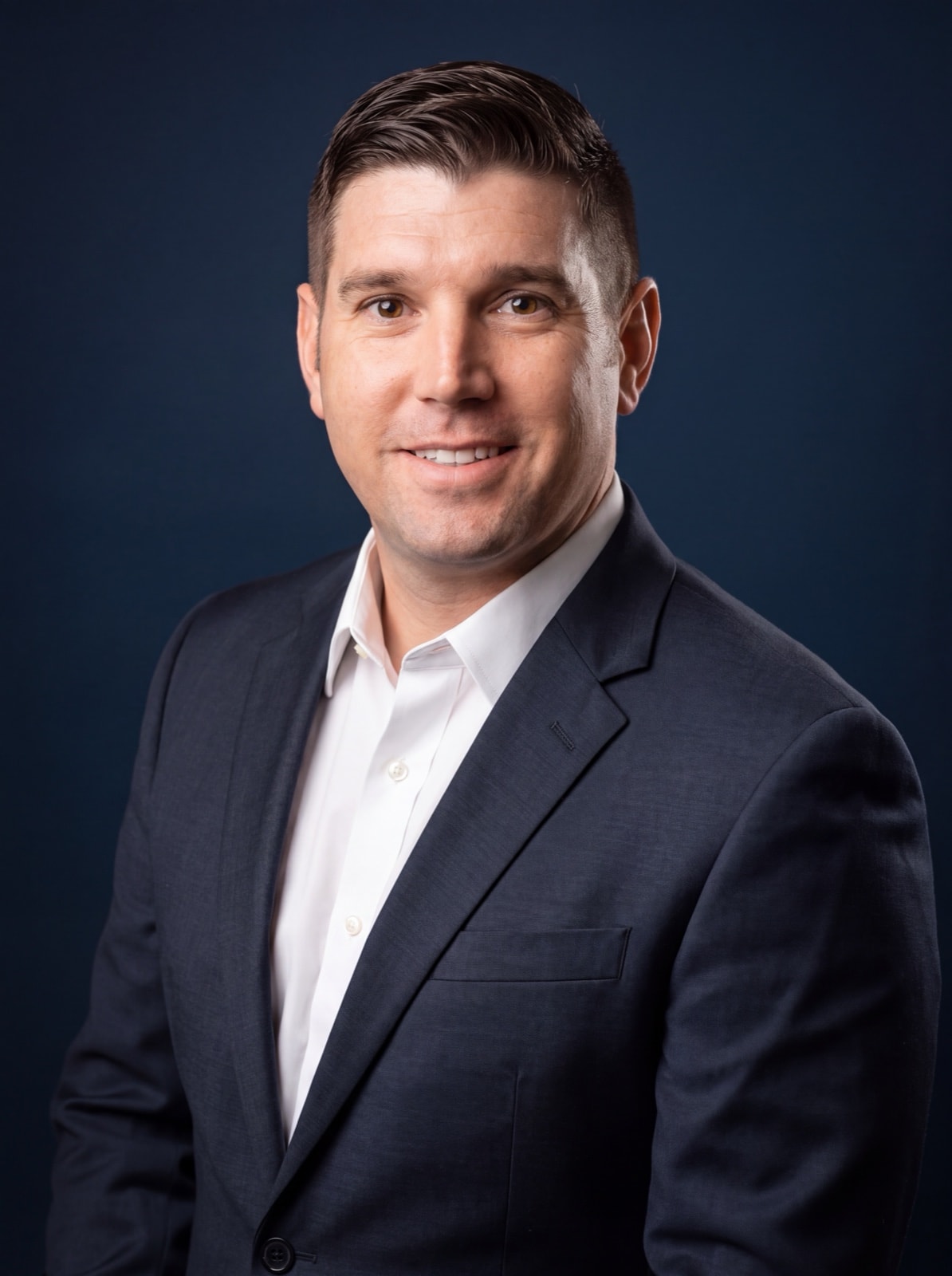 Andrew RapackeManaging Partner · Registered Patent AttorneyElectrical and computer engineering. Former Naval Engineering Officer.
 Ken BrooksRegistered Patent AttorneySoftware, AI and machine learning, electrical and mechanical systems.
[01]Who it's for
From a lab prototype to a company shipping robots to factories and homes, the work starts the same way. Find out what is new, then protect it before a pilot, a trade show or a paper makes it public.
Founders building new robots, arms and grippers, protected before the first pilot customer or investor demo.
Work cells, material handling and inspection systems for factories and warehouses.
Robots that move through warehouses, farms, hospitals and homes, with the navigation and safety systems that run them.
Motion planning, perception and learning methods, claimed as the technical process the robot performs.
[02]What's protectable
A robot combines mechanical, electrical and software inventions, and each can be protected. A patent on how it works, a design patent on how it looks and a trademark on its name each stop a different kind of copy.
01Utility patent
Arms, joints, grippers, actuators and drive trains. Claims are written around what makes your mechanism work better than what is in use today, such as more reach, less weight or a safer grip.
02Utility patent
Motion planning, sensor fusion, control loops and learning methods, claimed as a system and as the method it performs, tied to a physical result such as a faster pick or a safer stop.
03Design patent
The ornamental design of the robot's body, a gripper, a teach pendant or a control screen, protected for 15 years from grant.
04Trademark
Clear and file the name before it goes on the robot, the data sheet and the trade show booth, so the name customers know is one you can keep.
Some things stay secret
Training data, tuning parameters and manufacturing methods no one can learn from the finished robot may be worth more as trade secrets than as a published patent. Your attorney tells you which on your first call.
[03]The flat-fee path
Every step is quoted before any work begins, and the search fee is credited when you file. Most robotics founders file a provisional before a pilot, a trade show or a paper, then the full application within 12 months.
01Start here
$999
Patentable or your money back. Credited when you file
Report in about 5 days
Not patentable, full refund*02Then
$2.5k–3.5k
Patent pending the day it is filed
Patentability issues, full refund*03Within 12 months
$7k–12k
Drawings and USPTO filing fees included
Filed before your 12-month deadline
Flat fee, not covered by the guaranteeAlongside the patent
*Refunds subject to the RLG Guarantee Policy in your engagement letter. Utility (non-provisional) patents are quoted flat and are not covered by the guarantee. How The RLG Guarantee works
[04]Pilots and safety
A patent decides who can make and sell the robot. Pilots, trade shows and papers decide when others first see it, and safety standards shape how it is built. The timing of each shapes the others.
PatentWho can make and sell it
ProductWhen others see it
File before the pilot or the paper
A pilot at a customer site, a trade show demo, a research paper or a video of the robot at work can make an invention public. The US gives you one year after your own disclosure, but most other countries do not. File at least a provisional first.
When a robot works with a cloud service or a customer's own equipment, write claims that one party performs in full, such as the robot alone or the controller alone. Under Akamai v. Limelight (2015), steps split between companies are hard to enforce unless one of them directs or controls the others.
How to write patent claimsStandards such as ISO 10218 for industrial robots set safety requirements, and meeting them is separate from owning the design. A safety feature that works in a new way can be patentable in its own right.
Utility patents explainedIntegrators, suppliers and research partners often help build the first systems. Agree in writing who owns new inventions before the work starts, since a co-inventor can end up a co-owner of the patent.
The value of an NDAGeneral information, not legal or safety compliance advice. The standards that apply depend on the robot and where it is used.
[05]Related services
One firm for the patent, the brand and the agreements around them.
[06]Questions
Still deciding? Your first call is free and comes with a straight answer on whether to file.
Book A Free Strategy CallYes. New mechanisms, grippers, actuators, sensors and the control methods that run them can be patented when they are new and not obvious. Most robots combine known parts, so the claims focus on what your design does that earlier ones do not, which is why the work starts with a search.
Often both. Mechanical claims cover the arm or the gripper, and system and method claims cover what the controller does. Software tied to a physical result, such as moving an arm more precisely or stopping safely near a person, is on firmer ground under the abstract idea test than software that only processes data.
When it is claimed as a specific technical process that changes how the robot senses, plans or moves, often yes. A general idea, such as using machine learning to pick items, is not enough on its own. The patentability search shows where your method stands before you file.
If customers recognize the robot by its look, a design patent protects that appearance for 15 years from grant, whether it is the body, a gripper or a control screen. It covers lookalikes even when the copy works differently inside, so many robotics companies file both a utility and a design patent.
It depends on who contributed to the claims and on your agreements. Without an agreement, each co-owner of a US patent can use and license it without the others' consent. Settle ownership in writing before joint development, a pilot program or sponsored research begins.
Flat fees at every step. A $999 patentability search, a provisional application at $2,500 to $3,500 depending on the invention, and a non-provisional application at $7,000 to $12,000 with drawings and USPTO filing fees included. A design patent for the robot's look is $3,200. Every fee is quoted before work begins, and the search fee is credited toward your application.
The patentability search, the provisional application, design patents and trademarks. If the search finds your invention is not novel, you get a full refund or another search. If patentability issues come up on your provisional, a full refund or more searches. If the USPTO denies your design application, you get a full refund. If it refuses your trademark, you get a refund or a new mark. Non-provisional applications are not covered. Refunds are subject to the RLG Guarantee Policy in your engagement letter.
[07]Learning Center
how to write claims — learn how to write patent claims that are broad, valid, and enforceable. Expert guidance on independent claims, method claims, and comm

Who owns autonomous vehicle patents, what protects your AV stack, and how to file before competitors do. Book a free IP strategy call with a patent attorney.
One of the most common questions we encounter during our initial consultation is what type of patent application do I need? What are the differences between a design…
A provisional patent application is your gateway to the coveted ‘patent pending’ status, offering a crucial head start in the competitive world of innovation. By filing…
Patent virtual marking errors can erase years of damages. Learn what 35 U.S.C. 287(a) requires, the costliest mistakes, and book a free IP strategy call.
Explore 5 famous examples of trade secrets, from Coca-Cola to Google, and learn how to fit trade secrets into your IP strategy. Book a free IP strategy call.
[08]Client reviews
4.7 across 614 public reviews on Google, Trustpilot and Avvo.
#1Top reviewed IP law firm*
Read client reviews“Andrew Rapacke and his team are exceptional. They did our provisional and non provisional patents. The entire team is professional and an ease to work with.”
“I am now patent pending and patiently awaiting approval on my patent application.”
“Completed the patent search and utility patent within weeks.”
Reviews reflect individual client experiences. Quotes are excerpts. Prior results do not guarantee a similar outcome. *#1 top reviewed means the most public client reviews on Google, Trustpilot and Avvo of any US patent or trademark firm.
Talk through your robot with a registered patent attorney. The call is free, with no obligation.