
[INDUSTRY]Energy and clean technology

Energy patent attorneys for clean tech startups

We protect the cell, the system and the software that runs it, filed before a pilot or an award announcement makes them public. One flat fee for each step.

  • $999 patentability search
  • No hourly billing
  • Registered patent attorneys

Your attorneys

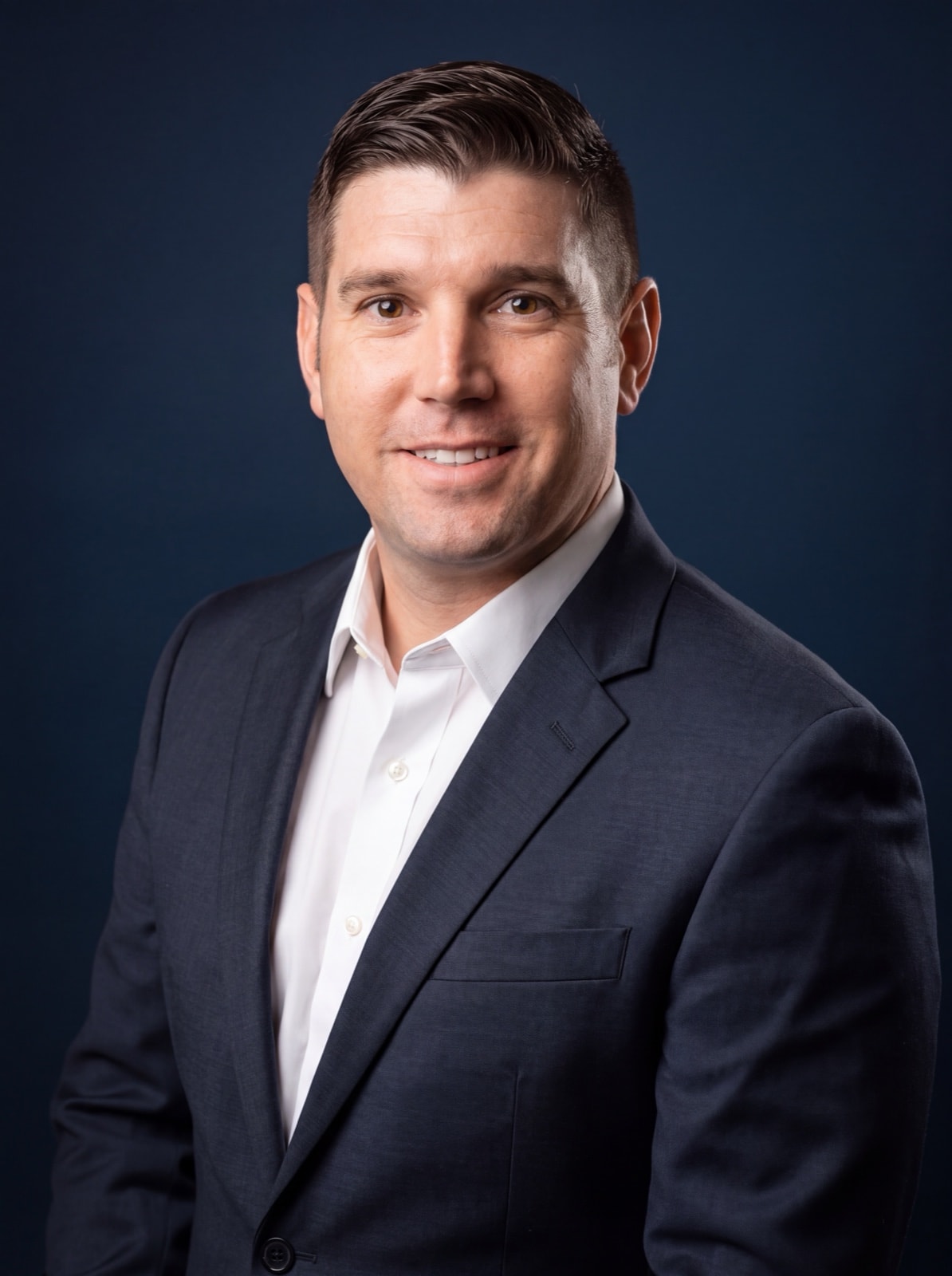
  • Andrew RapackeAndrew RapackeManaging Partner · Registered Patent AttorneyElectrical and computer engineering. Former Naval Engineering Officer.
  • Ken BrooksKen BrooksRegistered Patent AttorneySoftware, AI and machine learning, electrical and mechanical systems.

4.7 from 614 public reviews

Meet the team

[01]Who it's for

For the people who make, store and move energy.

From a battery startup with its first cells to a developer improving how the grid is run, the work starts the same way. Find out what is new, then protect it before a pilot, a grant announcement or a paper.

  • Solar and wind startups

    Panels, trackers, turbines and the materials and controls that raise output or cut cost.

  • Battery and storage teams

    Cell chemistries, electrodes, packs and storage systems, from new materials to grid-scale installations.

  • EV charging companies

    Chargers, connectors and the networks and software that run them, many built around shared standards.

  • Grid and energy software

    Forecasting, demand response and grid management, claimed as technical improvements to how the system runs.

[02]What's protectable

Four things worth protecting in energy technology.

Most energy products carry more than one kind of protection. A patent on the hardware or material, a patent on the control method, a design patent on how it looks and a trademark on its name each stop a different kind of copy.

  • 01Utility patent

    Cells, materials and hardware

    New chemistries, electrodes, panel structures, turbine parts and the methods that make them. Claims are written around a measurable advantage over what is installed today, such as more energy per kilogram, longer life or lower cost.

    • Battery cells and chemistries
    • Solar cells and modules
    • Hydrogen and fuel cells
    • Turbines and trackers
    Flat fee, quoted before work begins
  • 02Utility patent

    Systems and control software

    Storage systems, charging networks and grid software, claimed as a specific technical process tied to how the equipment behaves, such as how a battery is charged or how a load is balanced.

    • Energy storage systems
    • EV charging and load management
    • Grid and microgrid control
    • Forecasting and demand response
    Flat fee, quoted before work begins
  • 03Design patent

    The look of the equipment

    The ornamental design of a charger, a home battery, a panel or a control app screen, protected for 15 years from grant.

    • Chargers and connectors
    • Home batteries and enclosures
    • App and display screens
    USPTO denies it, full refund*
  • 04Trademark

    The product and company name

    Clear and file the name before it goes on installations, chargers and the product itself, so the name installers and customers ask for is one you can keep.

    • Product and network names
    • Company names
    • Logos
    Approved, or your money back*

Some things stay secret

Electrode recipes, coating methods and manufacturing settings no one can learn from the finished product may be worth more as trade secrets than as published patents. Your attorney tells you which on your first call.

[03]The flat-fee path

Search, provisional, utility. Flat fees at every step.

Every step is quoted before any work begins, and the search fee is credited when you file. Most energy founders file a provisional before a field pilot, a grant announcement or a conference paper, then the full application within 12 months.

  1. 01Start here

    Patentability search

    $999

    Patentable or your money back. Credited when you file

    • An invention discovery call with your attorney
    • A search of US and foreign patents and published applications
    • A written patentability report and a review call

    Report in about 5 days

    Not patentable, full refund*
  2. 02Then

    Provisional patent

    $2.5k–3.5k

    • A strategy call to capture how the technology works
    • Drafted by a registered patent attorney
    • You review and approve it before filing

    Patent pending the day it is filed

    Patentability issues, full refund*
  3. 03Within 12 months

    Non-provisional patent

    $7k–12k

    Drawings and USPTO filing fees included

    • Material, system and method claims written for examination
    • Formal drawings and USPTO filing fees
    • Complex systems quoted flat on your call

    Filed before your 12-month deadline

    Flat fee, not covered by the guarantee

Alongside the patent

  • Design patentFor the charger, battery or app screen, office actions included$3,200USPTO denies it, full refund*
  • TrademarkFor the product or company name, USPTO fee for one class included$2,000Approved, or your money back*

*Refunds subject to the RLG Guarantee Policy in your engagement letter. Utility (non-provisional) patents are quoted flat and are not covered by the guarantee. How The RLG Guarantee works

[04]Pilots, funding and fast tracks

File before the pilot. Plan for the funding.

A patent decides who can make and sell the technology. Field pilots, award announcements and standards work decide when others first see it, and public funding can come with its own patent terms. The timing of each shapes the others.

PatentWho can make and sell it

  1. $99901$999SearchWhat is already out there?
  2. File first02File firstProvisionalPatent pending, before the pilot
  3. Month 1203Month 12Full applicationWithin 12 months
  4. USPTO04USPTOExaminationTrack One can speed it up
  5. 05GrantedRights you can enforce

ProjectWhen others see it

  1. Keep it in-house01Keep it in-houseLab and prototypeCells, modules and test rigs
  2. Read the patent terms02Read the patent termsFunding applicationGrants and awards
  3. Use an NDA03Use an NDAField pilotWith a utility, a site host or a fleet
  4. Disclosure risk04Disclosure riskAnnouncements and papersAward notices, press and conferences
  5. 05Commercial rolloutInstallations and sales

File before the pilot goes public

A field pilot in public view, a conference paper, a press release or a public summary of a funded project can make an invention public. The US gives you one year after your own disclosure, but most other countries do not. File at least a provisional first.

  • No green fast track today

    The USPTO ended its Climate Change Mitigation Pilot Program in 2025, and the petition to make special for energy and environmental inventions went with its Accelerated Examination program the same year. Track One prioritized examination is open to any invention, for an extra USPTO fee that is lower for small and micro entities.

    How long a patent takes
  • Government money changes ownership

    Federally funded research comes with a patent rights clause. Small businesses, universities and nonprofits can usually keep ownership if they disclose the invention and elect title on time, and the government gets a paid-up license to use it. Read the award's clause before the work starts.

    How funding clauses work in defense
  • Standards shape charging and grid tech

    Chargers, connectors and grid equipment often follow shared standards. Until June 3, 2027 or its first 200 grants, the USPTO's SPARK pilot speeds up examination, with no petition fee, for small US companies, universities and nonprofits that take part in standards development.

    Power electronics and charging hardware

General information, not legal advice. USPTO programs, award terms and standards policies change, and the ones that apply depend on your funding, your technology and your market.

[06]Questions

Before you file.

Still deciding? Your first call is free and comes with a straight answer on whether to file.

Book A Free Strategy Call
Can clean energy technology be patented?

Yes. Batteries, solar cells, turbines, hydrogen systems, chargers and grid software are examined under the same rules as any other invention. A new material, structure, system or control method can be patented when it is new and not obvious, and crowded fields like lithium-ion cells make a search the right first step.

Is there a fast track for green technology patents?

Not a green-specific one today. The USPTO ended its Climate Change Mitigation Pilot Program in 2025 and removed the petition to make special for energy and environmental inventions the same year. Any utility application can request Track One prioritized examination, which the USPTO says aims for a final decision in about 12 months, for an extra fee that is lower for small and micro entities.

Should a battery or solar process be patented or kept secret?

If competitors cannot learn the process from the finished cell or panel and you could not tell when they use it, a trade secret can last as long as it stays secret. If the process leaves evidence in the product, a patent is often the better fit. Your attorney weighs it with you on the first call.

Who owns an invention made with a federal energy grant?

It depends on the award's patent rights clause. Under the Bayh-Dole Act, small businesses, universities and nonprofits can usually keep title if they disclose the invention and elect ownership on time, and the government receives a nonexclusive, paid-up license to use it. Other recipients can face different terms, so read the clause before work starts.

When should an energy startup file a patent?

Before a field pilot, a press release, a conference paper or a public summary of a funded project. The US gives inventors one year after their own disclosure, but most other countries require filing first, so a provisional keeps both options open.

How much does an energy patent cost with your firm?

Flat fees at every step. A $999 patentability search, a provisional application at $2,500 to $3,500 depending on the invention, and a non-provisional application at $7,000 to $12,000 with drawings and USPTO filing fees included. A design patent is $3,200. Every fee is quoted before work begins, and the search fee is credited toward your application.

What does The RLG Guarantee cover for energy inventions?

The patentability search, the provisional application, design patents and trademarks. If the search finds your invention is not novel, you get a full refund or another search. If patentability issues come up on your provisional, a full refund or more searches. If the USPTO denies your design application, you get a full refund. If it refuses your trademark, you get a refund or a new mark. Non-provisional applications are not covered. Refunds are subject to the RLG Guarantee Policy in your engagement letter.

[07]Learning Center

Go deeper before you file.

[08]Client reviews

Founders who filed with us.

4.7 across 614 public reviews on Google, Trustpilot and Avvo.

#1Top reviewed IP law firm*4.7 from 614 reviews

Read client reviews
  • “It gave us peace of mind knowing the total cost for this service was included in their flat-fee proposal.”

    Nick P.Provisional patent · Client review
  • “Their writing allowed for protection of my invention's most important aspects, as well as giving me room to modify and adapt my product.”

    Andrew WebberProvisional patent · Client review
  • “I am now patent pending and patiently awaiting approval on my patent application.”

    Thomas AndrewsPatent application · Client review

Reviews reflect individual client experiences. Quotes are excerpts. Prior results do not guarantee a similar outcome. *#1 top reviewed means the most public client reviews on Google, Trustpilot and Avvo of any US patent or trademark firm.

Protect the technology before the pilot.

Talk through your technology with a registered patent attorney. The call is free, with no obligation.