
Golf Patents: Everything You Need to Know
A ton of innovation goes into golf equipment and accessories that help players achieve the perfect swing. So, it is no wonder that golf is the leading sport in the United…
[INDUSTRY]Sporting goods and fitness
We protect how your gear performs, how it looks and the brand on it, timed around testing and launch, with one flat fee for each step.
Your attorneys
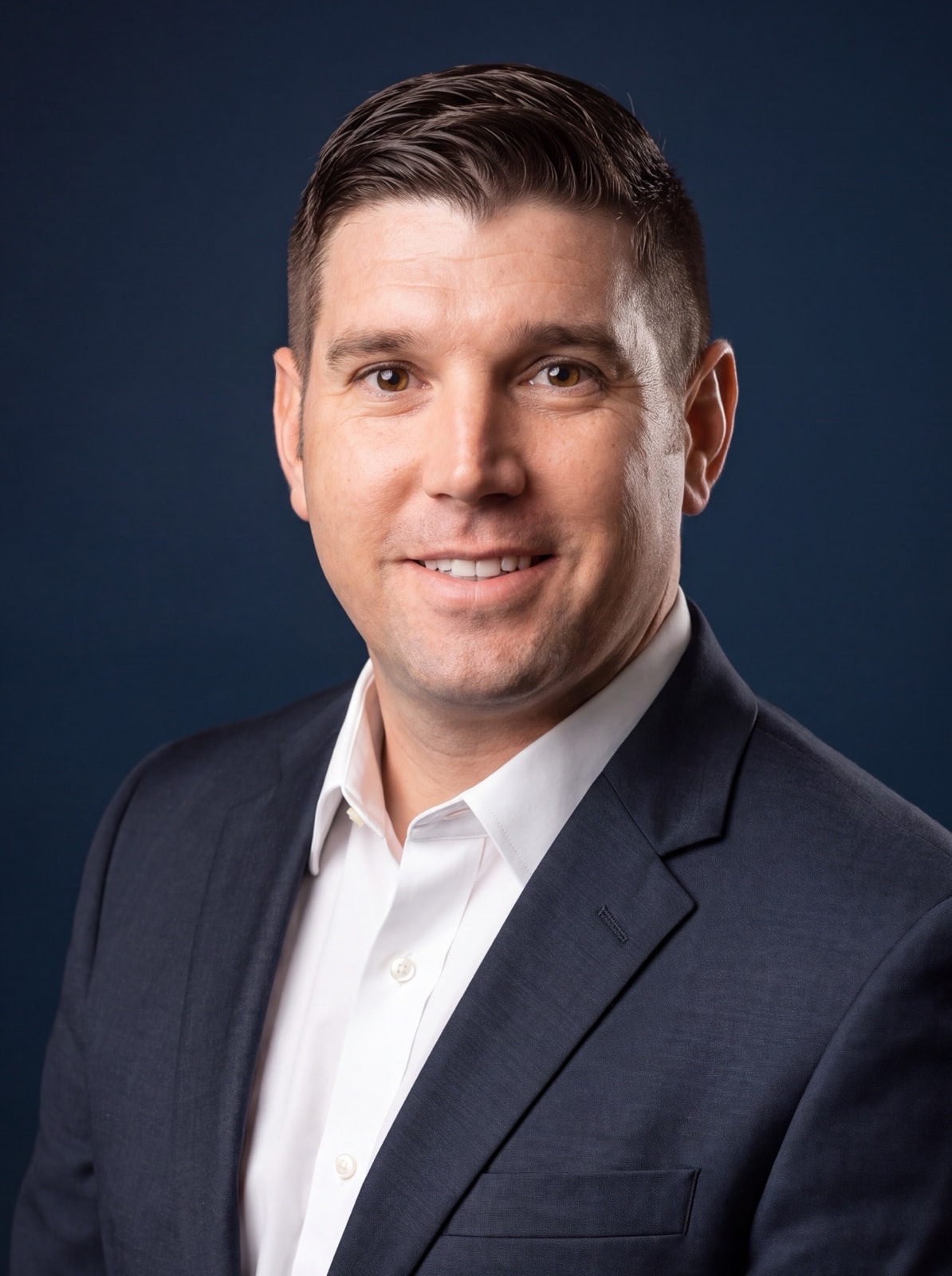 Andrew RapackeManaging Partner · Registered Patent AttorneyFormer Naval Engineering Officer. M.S. in electrical and electronics engineering.
 Ken BrooksRegistered Patent AttorneyMaterials science and engineering. Patents in software, AI, and electrical and mechanical systems.
[01]Who it's for
From a garage prototype to a brand adding to its line every season, the work starts the same way. Find out what is new, then protect it before athletes, buyers or a trade show see it.
Athletes, coaches and engineers with a better club, bat, board or ball, protected before the first sample goes out.
Companies launching new products each season, with a flat fee per filing so protection keeps pace with the line.
Smart equipment, sensors and the apps that read them, protected as hardware and as the method it performs.
Helmets, pads and guards, where a better way to absorb an impact or fit the body is often the invention.
[02]What's protectable
Most sporting goods carry more than one kind of protection. A patent on how the gear performs, a design patent on how it looks and a trademark on the brand each stop a different kind of copy.
01Utility patent
The structure, the mechanism and the way it is used. Claims are written around what makes your gear perform differently, such as more grip, less vibration or a faster setup.
02Utility patent
A new material, a composite layup or a sensor built into the gear, claimed by what it does in use. The app that reads the sensor is claimed as a technical process, not an abstract idea.
03Design patent
The ornamental shape and surface of a shoe sole, a club head, a bottle or a bag, protected for 15 years from grant. The look buyers recognize is often what a knock-off copies.
04Trademark
Clear and file the brand name and logo before they go on product, packaging and team orders, so the name athletes ask for is one you own.
A new game is harder to protect than the gear
Copyright does not cover the idea of a sport or how it is played, and a set of rules on its own is usually treated as an abstract idea for patents. The equipment, the brand and the artwork on the gear can be protected, and a manufacturing process may be worth more as a trade secret. Your attorney tells you which on your first call.
[03]The flat-fee path
Every step is quoted before any work begins, and the search fee is credited toward a design or non-provisional application. Most sporting goods founders file a provisional before testing in public, a trade show or the first sale, then the full application within 12 months.
01Start here
$999
Patentable or your money back. Credited toward a design or non-provisional application
Report in about 5 days
Not patentable, full refund*02Then
$2.5k–3.5k
Patent pending the day it is filed
Patentability issues, full refund*03Within 12 months
$7k–12k
Drawings and USPTO filing fees included
Filed before your 12-month deadline
Flat fee, not covered by the guaranteeAlongside the patent
*Refunds subject to the RLG Guarantee Policy in your engagement letter. Utility (non-provisional) patents are quoted flat and are not covered by the guarantee. How The RLG Guarantee works
[04]Testing and launch
A patent decides who can make and sell the gear. Testing with athletes, safety rules and the season you launch in decide when the public first sees it. Once gear is used in public or offered for sale, the clock on filing starts.
PatentWho can make and sell it
LaunchWhen the public sees it
File before athletes use it in public
Gear used in a public game, shown at a trade show or offered for preorder can make an invention public. The US gives you one year after your own disclosure, but most other countries do not. File at least a provisional first.
Using a prototype in public can be a public use under US patent law. Testing that is truly experimental, run by the inventor and kept confidential, is treated differently, but it is safer to file a provisional before the gear leaves your hands.
What a provisional application needsA patent lets you stop others from copying the gear. It does not clear the gear for sale. Some products, such as bicycle helmets, must meet a federal safety standard, and many sports set equipment rules for competition play.
What a patent lets you stopMarking products with the patent number, on the product or through a virtual marking web page, keeps your right to damages from copiers who did not know about the patent.
How virtual patent marking worksGeneral information, not legal or regulatory advice. Safety standards, product liability rules and equipment rules depend on the product and the sport.
[05]Related services
One firm for the patent, the brand and the agreements around them.
[06]Questions
Still deciding? Your first call is free and comes with a straight answer on whether to file.
Book A Free Strategy CallYes. New equipment, a better version of known gear, the materials it is made from and the way it is made can all be patented when they are new and not obvious. A sport itself, its rules or the idea for a game cannot be protected on its own, so the claims focus on the gear and how it works.
Often both. A utility patent protects how the gear performs, such as a grip, a frame or a cushioning system. A design patent protects how it looks, such as the shape of a sole or a club head. Copiers often change one and keep the other, so many sporting goods are worth protecting both ways. The patentability search shows which is stronger for yours.
A utility patent lasts up to 20 years from its filing date, as long as maintenance fees are paid. A design patent lasts 15 years from the date it is granted, with no maintenance fees. A provisional application never becomes a patent itself. It holds your filing date for 12 months.
It is safer to file first. Use in a public game, a team trial without a confidentiality agreement or a sale can make the invention public. The US gives inventors one year after their own disclosure, but most other countries require filing before it. A provisional before testing keeps both options open, and a PCT application within 12 months keeps patent rights abroad open too.
A registered trademark lets you act against sellers using your brand, through marketplace complaints, a cease and desist letter or a lawsuit. Marketplace brand programs such as Amazon Brand Registry also ask for one. A granted patent does the same for gear that copies what it claims.
Flat fees at every step. A $999 patentability search, a provisional application at $2,500 to $3,500 depending on the invention, a design patent for $3,200 and a non-provisional application at $7,000 to $12,000 with drawings and USPTO filing fees included. Every fee is quoted before work begins, and the search fee is credited toward a design or non-provisional application.
The patentability search, the provisional application, design patents and trademarks. If the search finds your invention is not novel, you get a full refund or another search. If patentability issues come up on your provisional, a full refund or more searches. If the USPTO denies your design application, you get a full refund. If it refuses your trademark, you get a refund or a new mark. Non-provisional applications are not covered. Refunds are subject to the RLG Guarantee Policy in your engagement letter.
[07]Learning Center
A ton of innovation goes into golf equipment and accessories that help players achieve the perfect swing. So, it is no wonder that golf is the leading sport in the United…
Have you ever stopped and thought about the science and innovation that went into your shoes? Whether they are sky-high heels, comfy Crocs, or the latest in gym wear…
One of the most common questions we encounter during our initial consultation is what type of patent application do I need? What are the differences between a design…

Patent virtual marking errors can erase years of damages. Learn what 35 U.S.C. 287(a) requires, the costliest mistakes, and book a free IP strategy call.
Trying to stop counterfeiters from undercutting your price and stealing your revenue is like a game of whack-a-mole. Here is how trademark counterfeiting works and how to fight back.
patent pct — learn how a PCT application works, what it costs, and how to use the Patent Cooperation Treaty to protect your invention in 150+ countries. Get
[08]Client reviews
4.7 across 614 public reviews on Google, Trustpilot and Avvo.
#1Top reviewed IP law firm*
Read client reviews“It gave us peace of mind knowing the total cost for this service was included in their flat-fee proposal.”
“Could not be happier with the customer service and straightforward fixed-fee approach.”
“They traversed the legal maze and minefield.”
Reviews reflect individual client experiences. Quotes are excerpts. Prior results do not guarantee a similar outcome. *#1 top reviewed means the most public client reviews on Google, Trustpilot and Avvo of any US patent or trademark firm.
Talk through your gear with a registered patent attorney. The call is free, with no obligation.