How Do I Patent a Product? A Step-by-Step Guide for Inventors
How do I patent a product? This step-by-step guide walks inventors through eligibility, filing, and costs. Book a free IP strategy call to protect your invention.
[INDUSTRY]Consumer products and brands
We protect how your product works, how it looks and the brand on the box, timed around your launch, with one flat fee for each step.
Your attorneys
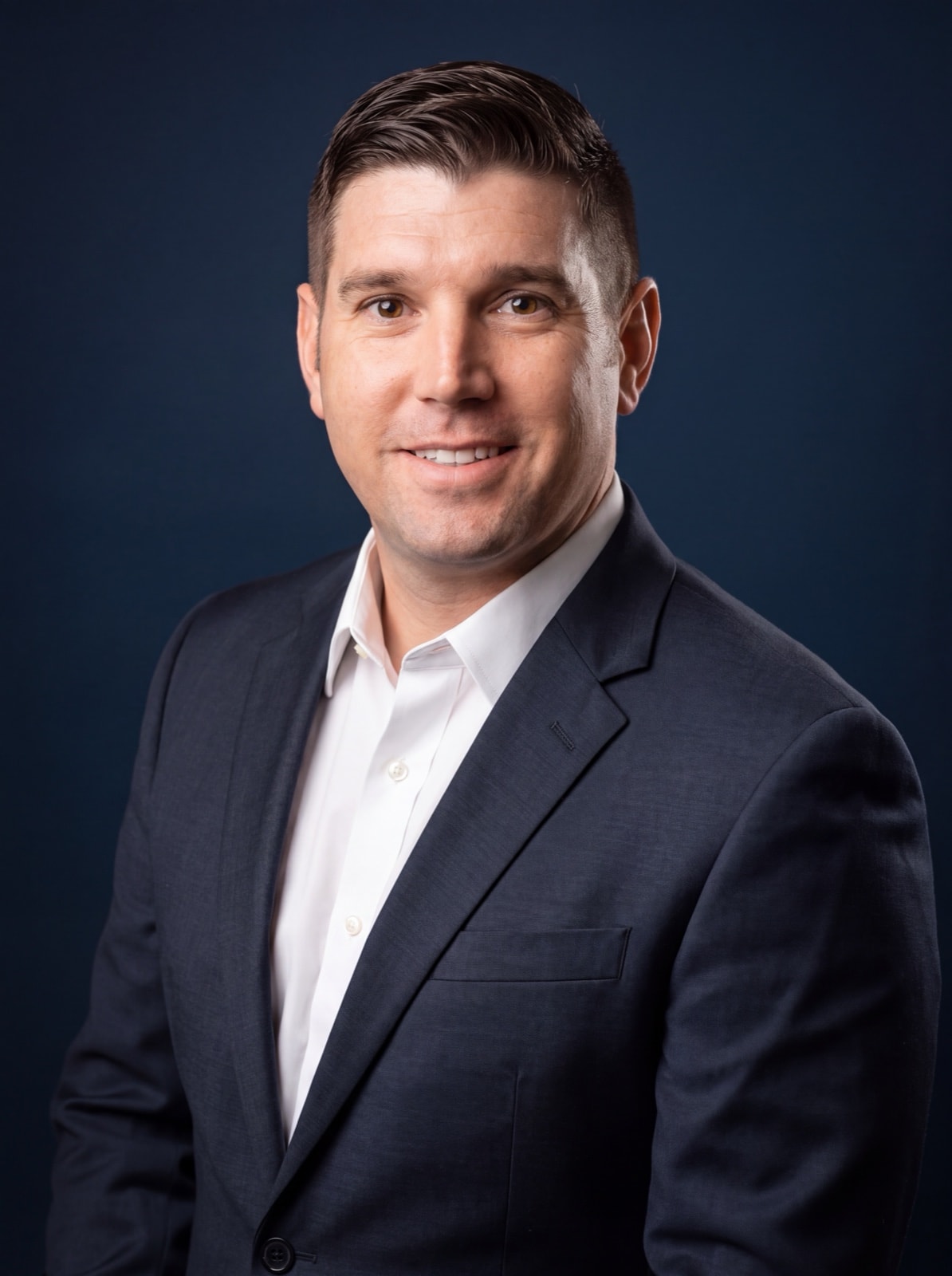 Andrew RapackeManaging Partner · Registered Patent AttorneyElectrical and computer engineering. Former Naval Engineering Officer.
 Casey GoldenbergAttorney · Trademarks and Patent ProsecutionTrademarks and patent prosecution, from a scientific background.
[01]Who it's for
From a first prototype to a brand adding to its line, the work starts the same way. Find out what is new, then protect it before it goes on sale.
People with a better everyday product, protected before the prototype goes to a manufacturer or a pitch.
Sellers building a brand on a marketplace, with the trademark Brand Registry asks for.
Founders who plan to show the product to the public, filed before the campaign goes live.
New filings for each product in the line, on predictable flat fees, so protection keeps pace with launches.
[02]What's protectable
Most consumer products carry more than one kind of protection. A patent on how it works, a design patent on how it looks and a trademark on the brand each stop a different kind of copy.
01Utility patent
The mechanism, the structure and a better way to do an everyday job. Claims are written around what makes your product work differently from what is on the shelf today.
02Design patent
The ornamental shape and surface of the product, protected for 15 years from grant. The look customers recognize is often what a knock-off copies.
03Trademark
Clear and file the brand name and logo before you print packaging or open a store. A registered or pending trademark is also what Amazon Brand Registry asks for.
04Utility patent
A new feature on a known product can be patentable on its own. Each version can be its own filing, so the portfolio grows with the product line.
Often both patents
A utility patent covers a copy that works the same way. A design patent covers one that looks the same. Many consumer products are worth protecting both ways, and your attorney tells you which on your first call.
[03]The flat-fee path
Every step is quoted before any work begins, and the search fee is credited when you file. Most product founders file a provisional before a crowdfunding campaign, a trade show or the first sale, then the full application within 12 months.
01Start here
$999
Patentable or your money back. Credited when you file
Report in about 5 days
Not patentable, full refund*02Then
$2.5k–3.5k
Patent pending the day it is filed
Patentability issues, full refund*03Within 12 months
$7k–12k
Drawings and USPTO filing fees included
Filed before your 12-month deadline
Flat fee, not covered by the guaranteeAlongside the patent
*Refunds subject to the RLG Guarantee Policy in your engagement letter. Utility (non-provisional) patents are quoted flat and are not covered by the guarantee. How The RLG Guarantee works
[04]Launch and marketplaces
A patent decides who can make and sell the product. Your launch decides when the public first sees it. Once a product is public the clock on filing starts, and marketplace brand programs ask for a trademark.
PatentWho can make and sell it
LaunchWhen the public sees it
File before you go public
A crowdfunding page, a preorder, a trade show booth or a social post can make an invention public. The US gives you one year after your own disclosure, but most other countries do not. File at least a provisional first.
Being first to market does not stop a copy. A patent stops products that work or look the same, and a trademark stops sellers using your brand.
How to deal with knock-offsAmazon Brand Registry asks for a registered trademark or a pending application for your brand name or logo. File the mark before you build the listing.
When Amazon sellers copy your productA provisional gives you patent pending status for 12 months while you test demand. The full application must be filed before that window closes to keep the earlier date.
How to patent a productGeneral information, not legal advice. Marketplace programs set their own rules and change them over time.
[05]Related services
One firm for the patent, the brand and the agreements around them.
[06]Questions
Still deciding? Your first call is free and comes with a straight answer on whether to file.
Book A Free Strategy CallOften both. A utility patent protects how the product works. A design patent protects how it looks. A competitor can design around one and still copy the other, so many consumer products are worth protecting both ways. The patentability search shows which is stronger for yours.
Before, if you can. A sale, a preorder, a crowdfunding page or a public demo makes the invention public. The US gives inventors one year after their own disclosure to file, but most other countries require filing before any disclosure, so a provisional before launch keeps both options open.
Not to sell, but Amazon Brand Registry asks for a registered trademark or a pending application for your brand name or logo, and it is how brands get Amazon's tools for reporting infringing listings. Our trademark flat fee is $2,000, with the USPTO fee for one class included.
A granted patent lets you act against products that copy what it claims, with a demand letter, a marketplace complaint or a lawsuit. Patent pending status warns copiers, but the rights become enforceable when the patent is granted. A trademark covers the other side, sellers using your brand name.
Flat fees at every step. A $999 patentability search, a provisional application at $2,500 to $3,500 depending on the invention, a design patent for $3,200 and a non-provisional application at $7,000 to $12,000 with drawings and USPTO filing fees included. Every fee is quoted before work begins, and the search fee is credited toward your application.
The patentability search, the provisional application, design patents and trademarks. If the search finds your invention is not novel, you get a full refund or another search. If patentability issues come up on your provisional, a full refund or more searches. If the USPTO denies your design application, you get a full refund. If it refuses your trademark, you get a refund or a new mark. Non-provisional applications are not covered. Refunds are subject to the RLG Guarantee Policy in your engagement letter.
[07]Learning Center
How do I patent a product? This step-by-step guide walks inventors through eligibility, filing, and costs. Book a free IP strategy call to protect your invention.
One of the most common questions we encounter during our initial consultation is what type of patent application do I need? What are the differences between a design…
Design patents tend to be one of the more overlooked patents available. While they aren’t the strongest form of protection on their own, they do provide a valuable layer…
Trying to stop counter fitters from undercutting your price and stealing your revenue is like a game of whack-a-mole. Just when you think you’ve won another one pops up…
People have been trying to protect their intellectual property for years. In fact, the first trademark legislation passed in the English Parliament in 1266. This task has…
Selling your products on Amazon gives you a well-established and highly trafficked platform to reach potential customers, especially when you consider that 89% of…
[08]Client reviews
4.7 across 614 public reviews on Google, Trustpilot and Avvo.
#1Top reviewed IP law firm*
Read client reviews“I wanted to patent one of my jewelry designs and it was a very smooth process for me as all the details were taken care by the firm.”
“Their writing allowed for protection of my invention's most important aspects, as well as giving me room to modify and adapt my product.”
“Making a complex process feel manageable and well-supported.”
Reviews reflect individual client experiences. Quotes are excerpts. Prior results do not guarantee a similar outcome. *#1 top reviewed means the most public client reviews on Google, Trustpilot and Avvo of any US patent or trademark firm.
Talk through your product with a registered patent attorney. The call is free, with no obligation.