
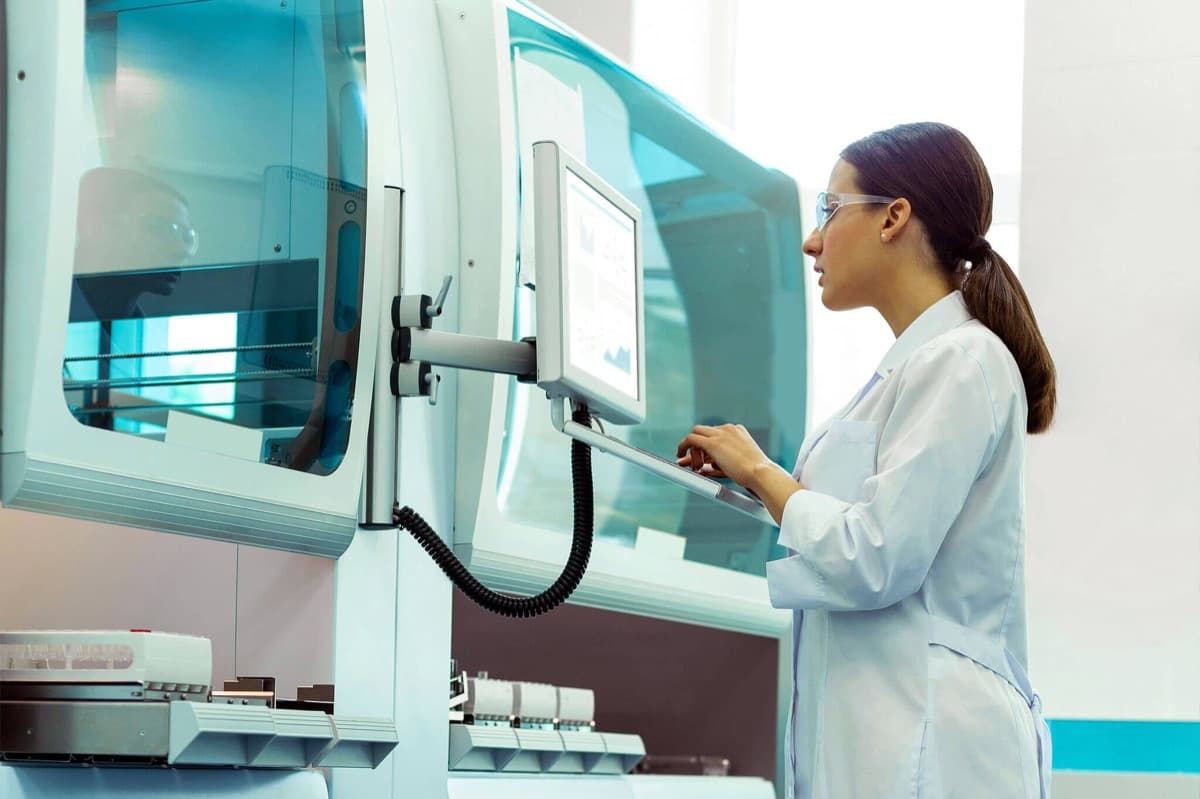
How To File a Medical Device Patent: A Comprehensive Guide
Learning how to file a medical device patent is crucial for innovators in the MedTech industry, as navigating this complex path can be daunting. This article paves the…
[FREE GUIDE]MedTech and patents
The right IP protection can give a medical device company a real advantage over its competitors. This guide gives you a clear path to patent protecting your medical device.
[01]What's inside
The Must-Have Medical Device Patent Guide, free to request with the form.
Related services
Free download
The download opens as soon as you send the form.
The same way as any invention, with a few MedTech twists. Search the prior art first, file a provisional application before you present at a conference, publish a study or show the device to investors, then file the utility application within 12 months. Most devices are protected by a utility patent on how they work, and a design patent can protect how they look.
| Claim type | What it covers |
|---|---|
| Device or apparatus | The structure of the device itself |
| Method of use | How a clinician or patient uses the device to achieve a result |
| Method of manufacture | How the device is made, useful when the process is the advantage |
| System | The device working with other parts, such as sensors, software or a hub |
| Kit | The device packaged with the components and instructions sold with it |
Strong applications combine several types, so a competitor cannot design around one. See types of claims in medical device patent applications.
Often, when it improves how the device or the diagnosis works in a technical way, rather than claiming a mental process or a mathematical formula. Eligibility rejections are common, so the application should explain the technical improvement in detail. Read when software becomes a medical device.
They run on separate tracks. FDA review does not wait for your patent, and your patent term runs from the filing date whether or not the device is on the market. That is why most MedTech companies file early, then keep filing on improvements during development. Devices that go through premarket approval may qualify for a patent term extension for part of the regulatory delay. For the regulatory side, see FDA regulatory compliance.
Watch competitors' product launches, published patent applications and FDA clearance filings for devices that look like yours. When you find one, a demand letter, a license or, if needed, a lawsuit enforces the patent.
Before any public disclosure, including conference talks, journal articles, trade shows and investor decks that show how the device works. A provisional application secures your date quickly.
No. Patents and FDA clearance are separate. Most companies file patent applications long before they submit to the FDA.
Yes, if the improvement is new and not obvious. Many medical device patents cover improvements, and an improvement patent can be valuable even when the original device is patented by someone else.
A claim covering the device packaged with its accessories, components or instructions, the way it is actually sold. It can catch competitors who sell the same combination.
Yes. Send the short form to request it. It is general information, not legal advice.
[04]Learning Center
Learning how to file a medical device patent is crucial for innovators in the MedTech industry, as navigating this complex path can be daunting. This article paves the…
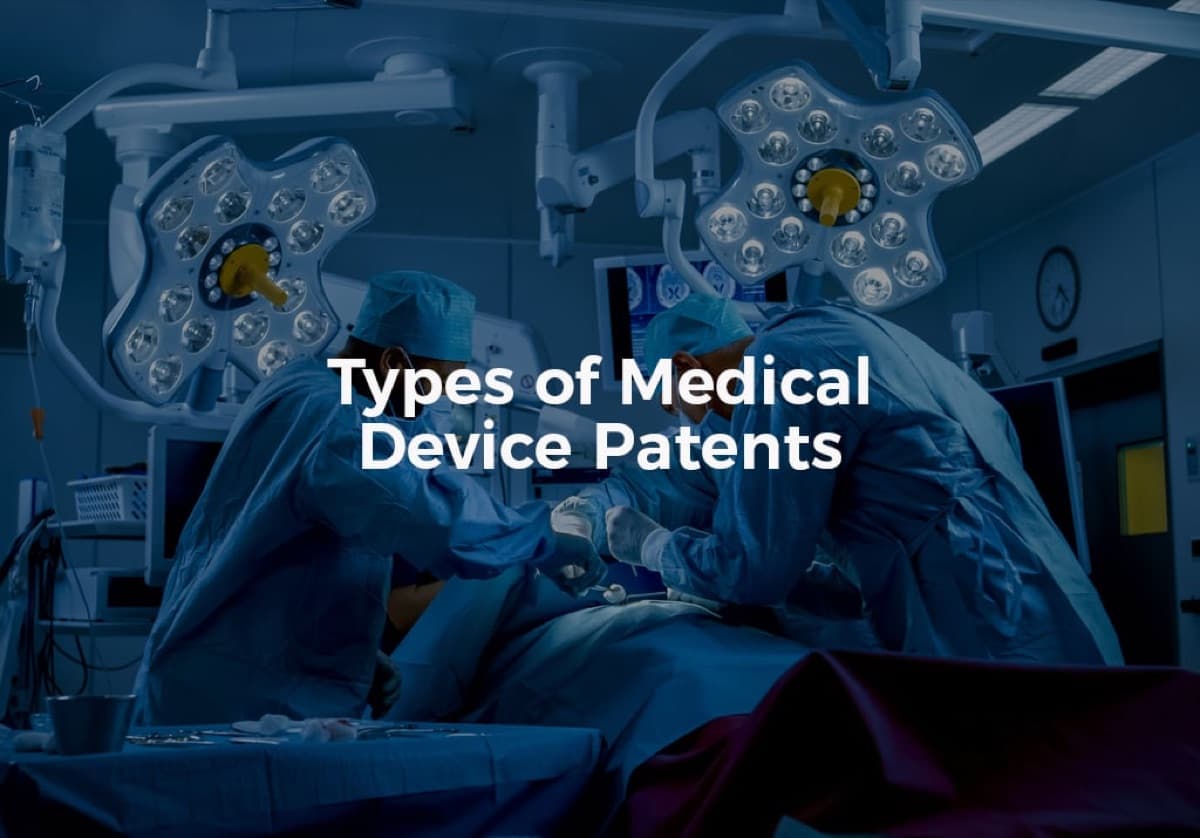
Medical devices can be protected by utility, provisional and design patents. Here is how each type works, how long it lasts, and why design patents add value to a medical device IP portfolio.
No one needs to reinvent the wheel and you shouldn’t waste valuable time, money and resources designing a “new” medical device that already exists. Before committing too…
[05]Free resources

Guide
A step by step walk through patenting your invention.

GuidePDF
How the software patent process works and what protecting a key feature does.

GuidePDF
How to patent the AI features inside a SaaS product, written for founders.
Talk through your device with a registered patent attorney. The call is free, with no obligation.