
SaaS Agreements: Developing A Strong Legal Foundation (Checklist Included)
Over the past 20 years, Software as a Service (SaaS) has seen substantial growth in sales. Although annual growth is starting to slow compared to other service models…
[FREE CHECKLIST]SaaS and startups
The legal documents a SaaS company needs, gathered in one checklist, so you can build a strong legal foundation without working out the list yourself.
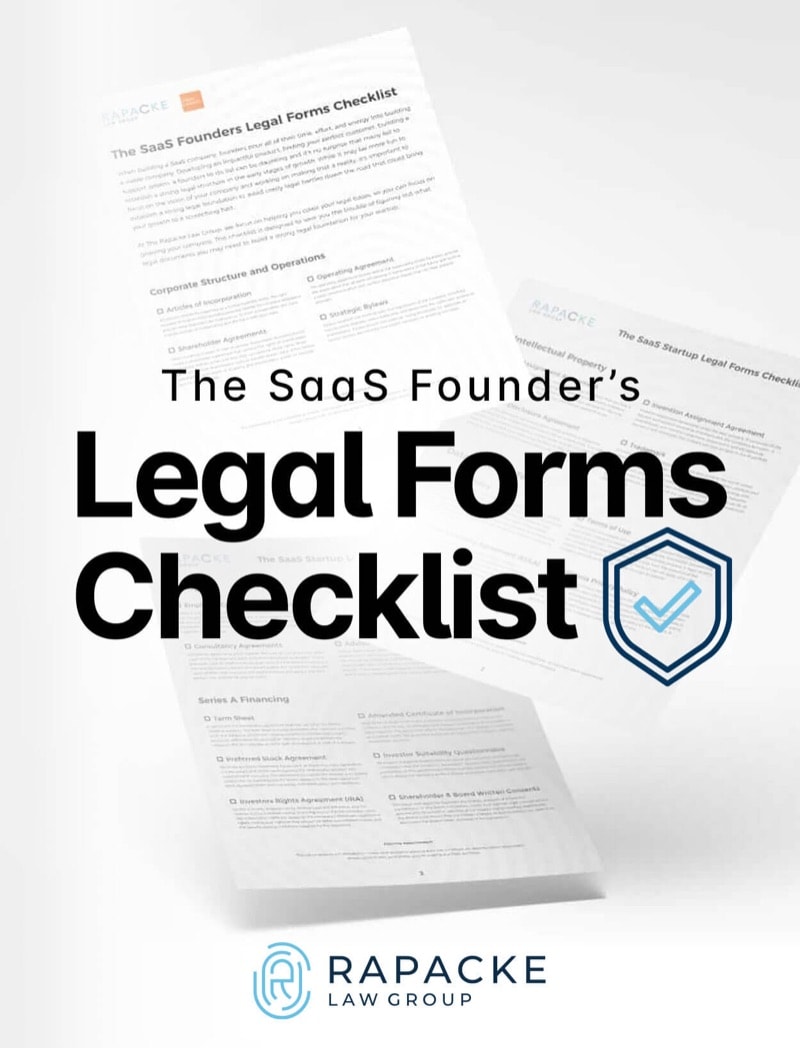
[01]What's inside
The SaaS Founder's Legal Forms Checklist, free to download with the form.
 ChecklistPDFSaaS Agreement Checklist for Tech FoundersThe legal documents a SaaS company needs, gathered in one checklist.
Free download
The download opens as soon as you send the form.
A SaaS agreement is the contract under which a customer pays to use software you host, instead of buying a copy to install. It grants access for a subscription term, sets the fees and the service levels, and decides who owns the customer's data and the software itself. Most SaaS companies run on a small set of these documents, and the checklist names each one.
Unlike a perpetual software license, a SaaS agreement never transfers a copy of the code. The customer rents access, so uptime, data security and what happens to the data at the end of the term matter more than they do in a license.
The core set covers the customer contract, the customer's data and the company's own IP. Not every company needs every document on day one.
Whatever the document is called, a sound SaaS customer contract settles the same questions. Use this as a quick review list for your own terms.
| Clause | What it settles |
|---|---|
| Scope and access | What the customer gets, how many users, and any usage limits |
| Term, fees and renewal | Subscription length, price, payment terms and whether it renews automatically |
| Service levels | Uptime, support response times and the service credits for misses |
| Data ownership and security | Who owns customer data, how it is protected and how breaches are reported |
| Intellectual property | That you keep the software and its improvements, and the customer keeps its data |
| Confidentiality | How each side protects the other's confidential information |
| Warranties and disclaimers | What you promise about the service and what you do not |
| Limitation of liability | The cap on damages, often tied to fees paid over a set period |
| Indemnification | Who defends whom, for example against a claim that the software infringes a patent |
| Termination and data return | How either side can end the contract and what happens to the data afterwards |
| Governing law and disputes | Which state's law applies and where disputes are decided |
Order them by stage. Before launch, put IP assignments, NDAs, your terms of service and a privacy policy in place. With the first paying customers, add order forms and an SLA. When enterprise or regulated customers arrive, expect to sign their DPA, a security addendum or a BAA. Before you raise, investors will check that the company owns its code and its brand.
Most SaaS checklists online are written for buyers reviewing a vendor's contract. As the founder you are the vendor, so your priorities run the other way. You want a liability cap, a clear disclaimer of warranties beyond the SLA, ownership of every improvement to the product, and the right to suspend accounts that break the acceptable use policy. Expect enterprise buyers to push back on exactly those clauses.
A list of the legal documents a software as a service company needs and the questions each one should settle. Ours names the documents most SaaS founders need, so you can see what you already have and what is missing before a customer or an investor asks.
No. It lists the documents and what each one is for. It is not a set of contracts to sign. For a starting point on one document, the app privacy policy template is a separate free download.
Often not. Self-serve plans usually run on click-through terms of service. Larger business customers expect a negotiated master subscription agreement with order forms, an SLA and a data processing agreement.
If you process personal data on behalf of business customers, many will require one, and the GDPR requires a written contract between a controller and a processor. A DPA sets out how you handle that data, which subprocessors you use and how you report a breach.
The customer usually owns its data, and the vendor owns the software, its improvements and anonymised usage data. The agreement should say so plainly, along with what happens to the data when the contract ends.
[04]Learning Center
Over the past 20 years, Software as a Service (SaaS) has seen substantial growth in sales. Although annual growth is starting to slow compared to other service models…
In the software industry, a lot of intellectual property assets carry value due to the simple fact that others, such as competitors, do not know what you and your company…
As a SaaS startup founder, you have a lot on your plate. Developing a great product, hiring rockstar engineers, fundraising, acquiring customers – these are just a few of…
[05]Free resources
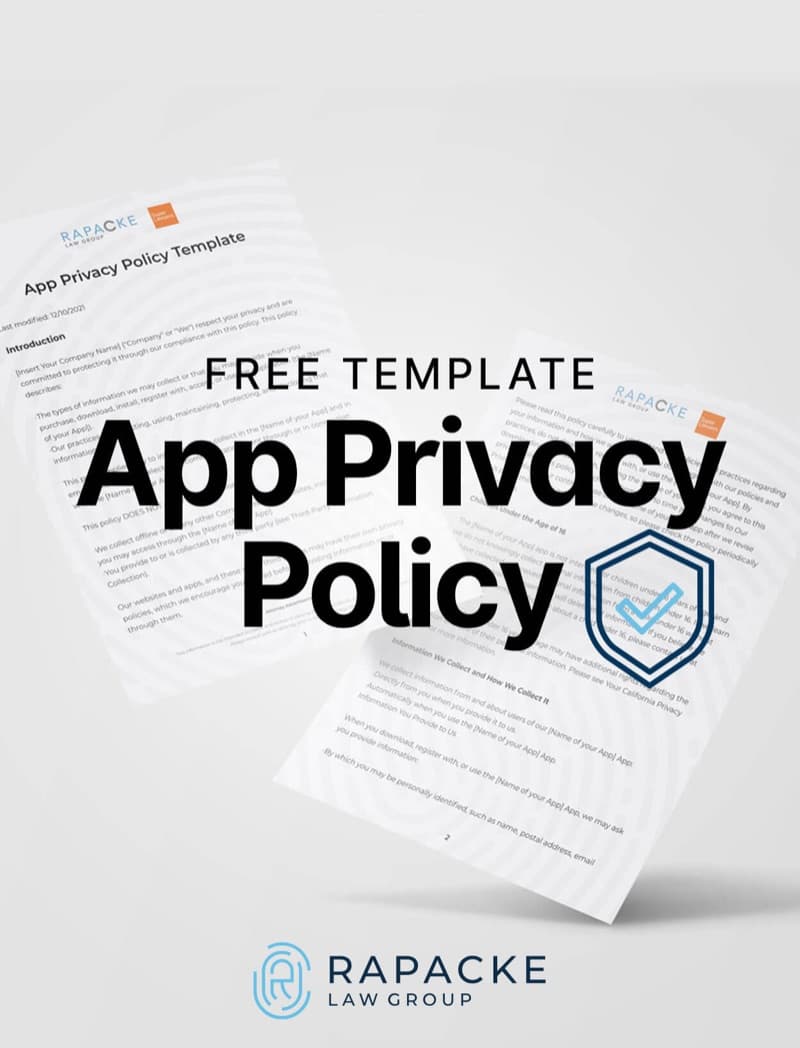
TemplateWord
A starting template for telling users how your app handles their data.
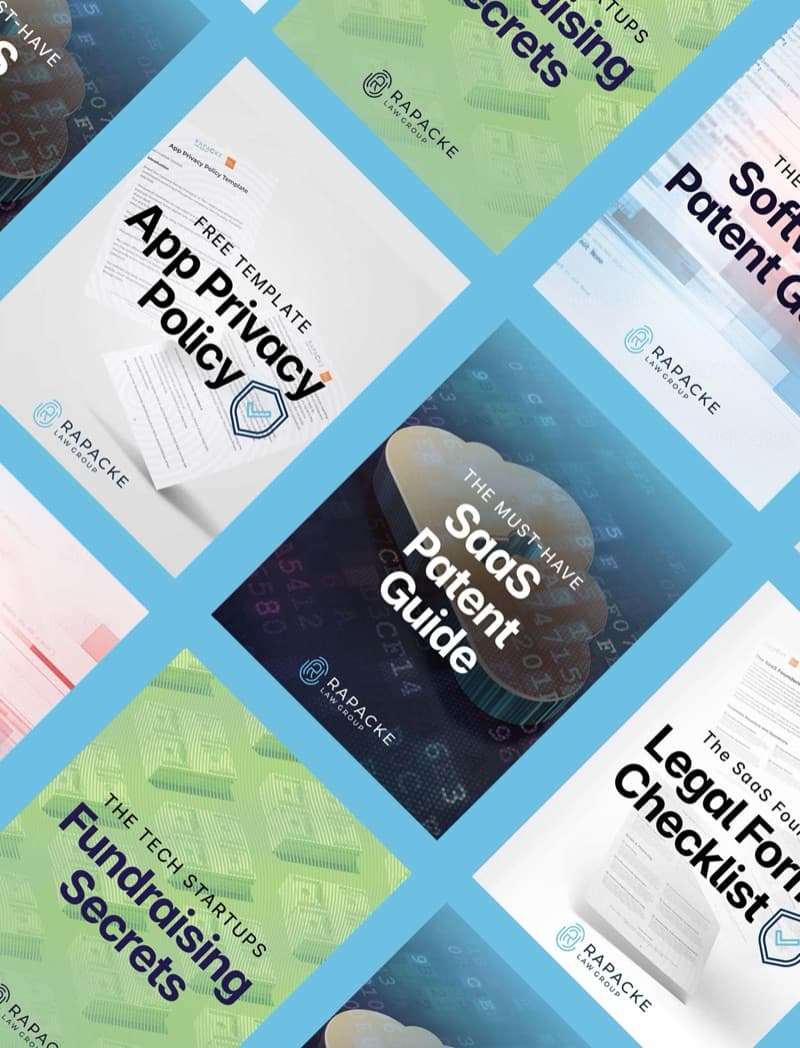
BundlePDF · Word
Five founder resources in one download, from patents to privacy to fundraising.
GuidePDF
How SaaS companies use patents to protect key features and add value.
Talk through the documents your company needs with an attorney. The call is free, with no obligation.